


Xeriscaping replaces thirsty lawns with drought-tolerant meadows, swaps sprinklers for drip lines, and transforms maintenance-heavy beds into climate-resilient plant communities that thrive on rainfall alone. You will select plants matched to your USDA zone, such as ‘Autumn Joy’ sedum in zones 3 to 9 or ‘Blue Emerald’ agave in zones 8 to 11, then group them by water needs so your irrigation hits only where roots actually grow. Mulch two to three inches deep, time your drip emitters for early morning, and you cut outdoor water use by half without sacrificing color, texture, or habitat. The question is not whether xeriscaping works but which design choices unlock your yard’s specific potential.
What Xeriscaping Actually Means (And Why It’s Not Zero-Scaping)
Why does one simple word cause so much confusion among gardeners? You’ll encounter the zero-scaping misconception everywhere, but xeriscaping, pronounced “ZEER-uh-scaping,” has nothing to do with barren landscapes or eliminating plants entirely.
Coined by Nancy Leavitt in 1981 from “xero-” (dry) and “scape” (landscape), this approach helps you reduce water use through climate-appropriate design, not deprivation. You’re selecting drought-tolerant plants, often native vegetation adapted to your USDA zone, and pairing them with efficient irrigation methods like drip systems or soaker hoses that deliver moisture directly to root zones.
Water conservation happens through smart choices: grouping plants by hydrozoning, amending soil with organic matter, and applying 2-4 inches of mulch to minimize evaporation. Your xeriscape stays lush, colorful, and densely planted, proving that responsible gardening never requires sacrificing beauty for sustainability.
Recommended Products

PREMIUM DROUGHT TOLERANT WILDFLOWER MIX: A carefully curated blend of hardy wildflowers selected to thrive in hot, dry, and low-water conditions. Suitable for xeriscaping, water-wise gardens, low-water landscapes, and challenging growing environments across the continental USA

READY TO PLANT: 2 Hesperaloe Red Yucca (Hesperaloe parviflora) starter plants in 3.5" nursery cubes—well-rooted and ready to grow. Natural variation in size, color, and appearance may occur.

See It in Action: Xeriscape Styles From Desert to Meadow
Where might your own xeriscaping journey begin when the possibilities stretch from stark desert drama to soft meadow abundance? You can embrace desert-to-meadow styles that prove xeriscaping isn’t limited to one look.
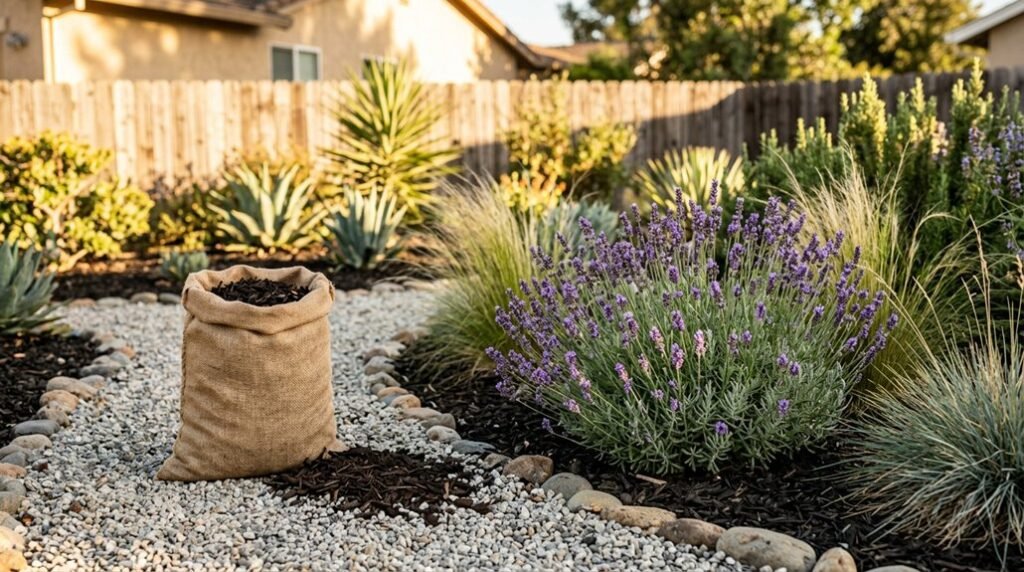
You might choose a desert xeriscape, where you’ll plant drought-tolerant cacti and xerophytes among rocks and gravel to create striking, water-efficient contrast with minimal soil disturbance. Alternatively, you’ll cultivate a meadow style using native plants like native grasses and wildflowers that retain soil moisture while offering lush color.
Across every approach, you’ll group plants by similar water needs, spread mulch to minimize evaporation, and rely on drought-tolerant species suited to your climate. Your front yard can showcase varied textures and dense planting that still achieves dramatic irrigation reduction, demonstrating that practical, climate-appropriate design never sacrifices visual richness.
Recommended Products

MONARCH BUTTERFLY HABITAT: Common milkweed (Asclepias syriaca) is a host plant for monarch butterfly larvae. Planting this native wildflower helps support monarch populations by providing a food source for caterpillars. Suitable for USDA Zones 3–9.

NATIVE NORTH AMERICAN NARROW-LEAVED CONEFLOWER SEEDS: Heirloom non-GMO open-pollinated wildflower seeds with high germination rates, traditional medicinal herb, adapted to USDA zones 3-8

Vibrant Blooms: Plains Coreopsis seeds produce striking yellow blooms; These vibrant flowers are ideal for creating wildflower gardens and flower beds; Add lasting color to your outdoor living spaces
How Xeriscaping Cuts Water Use by 50–75
Once you’ve chosen your xeriscape style, you’ll want to understand exactly how these design choices translate into measurable water savings, because xeriscaping isn’t merely about aesthetics, it’s engineered to slash your outdoor water consumption by 50 to 75 percent through deliberate, science-backed practices.
You’ll start by replacing thirsty turf with drought-tolerant native plants adapted to your region, which require minimal supplemental irrigation once established. Next, you’ll apply mulch 2 to 4 inches deep to reduce evaporation and moderate soil temperatures.
Grouping by water needs lets you zone your landscape precisely, so you won’t overwater xeric plants while meeting moderate or high-water species’ requirements. Efficient irrigation, specifically drip systems and soaker hoses, delivers moisture directly to root zones, eliminating waste from wind and evaporation. Lower landscape maintenance demands mean fewer sprinkler repairs, less hand watering, and reduced seasonal upkeep, securing long-term savings you can measure on every utility bill.
Recommended Products

Convenient and portable storage kit contains 102 professional grade universal Drip irrigation parts
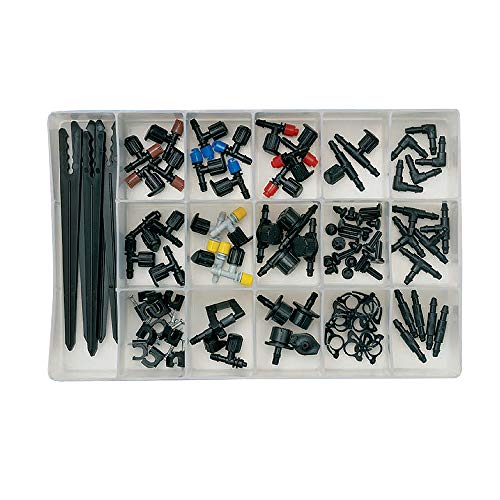
For optimizing plant health by applying water directly at the plant roots

NO MORE HARD INSTALLATION - SET UP IN MINUTES. Tired of struggling with stiff barbed fittings? This drip irrigation system features quick-connect fittings that let you push, lock, and secure tubing effortlessly. No tools, no leaks, just a smooth setup experience. Enjoy a frustration-free installation and get your garden watering system running in minutes.
Start Your Own: 5 Essential Design Choices
Although transforming your yard into a water-wise landscape might seem intimidating at first, you’ll find that mastering five foundational design choices gives you everything you need to build a thriving, low-irrigation garden tailored to your specific conditions.
First, embrace the seven principles by selecting climate-appropriate native plants like purple sage, agastache, or four-wing saltbush that thrive in your USDA zone with minimal supplemental watering. Second, group your drought-tolerant selections by water needs, placing high water-use plants near structures for efficiency. Third, invest in soil and mulch; you’ll amend clay or sandy substrates with compost, then apply three inches of shredded bark to reduce evaporation and moderate root temperatures. Fourth, commit to serious lawn reduction, replacing Kentucky bluegrass with buffalo grass, groundcover thyme, or decomposed granite patios. Fifth, design water harvesting features, such as swales or rain gardens, that capture and infiltrate precipitation where your plants need it most.
Recommended Products
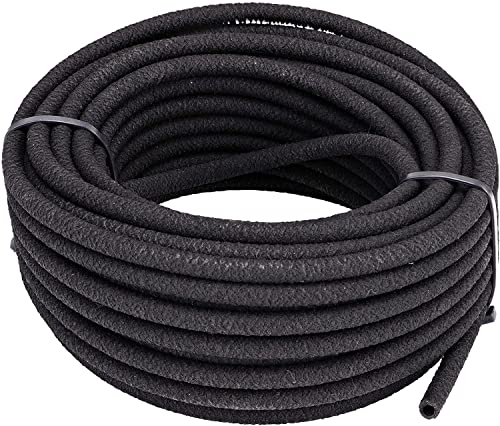
Slowly waters the soil around your plants for complete root zone hydration; Ideal for short runs on flat surfaces, such as vegetable gardens, borders, and around small plants
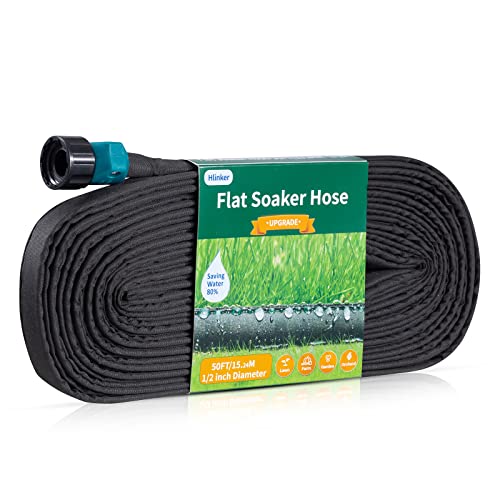
Consistent & Even Watering Drip Irrigation Hose: Makes use of a clog-resistant fabric cover recyceld vinyl for consistent slow soaking seep throughout its entire length. Deliver water to the entire area that it covers. Only certain areas of your garden bed getting watered.For waste-free watering in garden beds and other tight spaces. Waters the base of the plants so less water-related leaf damage.

Water-Saving Efficiency: Delivers slow, steady water directly to plant roots, minimizing evaporation and runoff for eco-friendly gardening.