
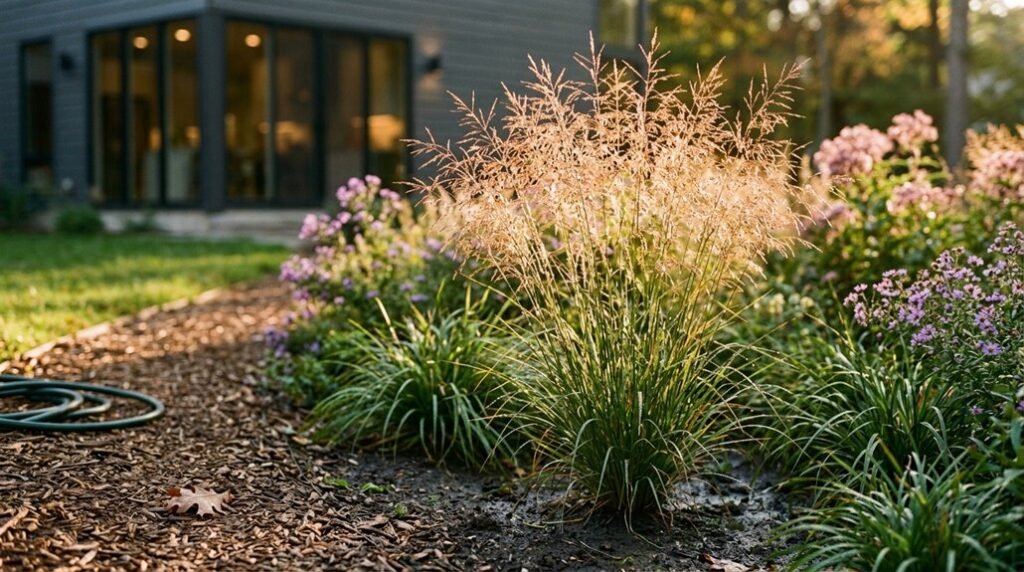


You need plants that handle both soaking rains and summer dry spells, and 2026’s variable climate demands proven performers. Start with native sedges like Carex pennsylvanica, which stabilizes soil in USDA zones 3 to 9 while tolerating intermittent flooding.
Add Eutrochium purpureum for 5- to 7-foot blooms that feed pollinators from July through September.
For tropical impact, Canna ‘Tropicanna’ delivers striped foliage in zones 7 to 10, though you’ll lift rhizomes where winters drop below 20°F. In drier berms, Sedum ‘Autumn Joy’ and Helleborus orientalis anchor year-round structure.
Match each species to your site’s sun exposure, drainage rate measured in inches per hour, and soil pH. The remaining selections address specific challenges you haven’t solved yet.
The Modern Rain Garden: Scrape, Shape, and Plant

If you’re shaping your yard to manage stormwater while cultivating beauty, “The Modern Rain Garden: Scrape, Shape, and Plant” by Majosta offers exactly the technical foundation you’ll need before selecting those ten standout species for 2026.
Majosta’s independently published 137-page guide, released June 26, 2025, breaks rain garden construction into three executable phases: scraping your site’s topography, shaping the basin for optimal drainage, and planting with intention. You’ll learn to assess soil composition, calculate water retention zones, and grade slopes at 1-2 percent gradients for controlled absorption.
The book targets home gardeners and DIY landscapers who want functional aesthetics without engineering degrees. Majosta emphasizes urban environmental considerations, teaching you to intercept runoff, filter pollutants, and support local ecosystems through strategic plant placement. Concrete construction steps walk you through excavation depths, soil amendments, and overflow drainage.
Best For: Home gardeners and DIY landscapers seeking to build functional, environmentally beneficial rain gardens without specialized engineering knowledge.
Pros:
- Breaks complex rain garden construction into three clear, actionable phases (scrape, shape, plant)
- Provides specific technical guidance including slope gradients (1-2 percent), soil assessment, and drainage calculations
- Emphasizes urban environmental applications like runoff interception and pollutant filtration with concrete construction steps
Cons:
- Relatively short 137-page length may limit depth on certain specialized topics
- Independently published status may mean less editorial review compared to established gardening publishers
- 2025 publication date means plant recommendations and climate considerations may become dated for long-term planning (such as the 2026 species selection mentioned)
Recommended Products

Gardening Your Front Yard: Projects and Ideas

Who needs a sprawling backyard when your front yard holds untapped potential for beauty, bounty, and environmental stewardship?
Cool Springs Press’s 2020 publication, Gardening Your Front Yard: Projects and Ideas for Big and Small Spaces, provides you with 208 illustrated, hardcover pages of practical strategies for maximizing every square foot. You will find raised beds and container options for vegetables, native species selections timed for pollinator support, and detailed rain garden concepts that manage stormwater while building curb appeal. The book organizes projects by yard size, ensuring you can implement edible gardening, habitat creation, or low-maintenance enhancements regardless of your available space. Step-by-step instructions, accompanied by visual guidance, accommodate beginners through experienced gardeners seeking durable, environmentally responsible front-yard transformations.
Best For: Homeowners and renters with limited outdoor space who want to transform their front yards into productive, environmentally beneficial gardens without sacrificing curb appeal.
Pros:
- Organizes projects by yard size, making it easy to find solutions tailored to small or large front spaces
- Covers diverse gardening approaches including edible vegetables, pollinator habitats, and water-wise rain gardens in one comprehensive resource
- Illustrated step-by-step instructions accommodate all skill levels from beginners to experienced gardeners
Cons:
- Hardcover format may be less convenient for outdoor reference while working in the garden
- Published in 2020, so some plant recommendations or regional resources may be slightly dated
- Focused exclusively on front yards, limiting applicability for those with only backyard or balcony spaces
Recommended Products

Shade-Loving Native Plant – Thrives in partial to full shade; ideal for woodland gardens and low-light areas.

Includes 15 carefully selected native grasses and wildflowers chosen for strong root systems and reliable establishment
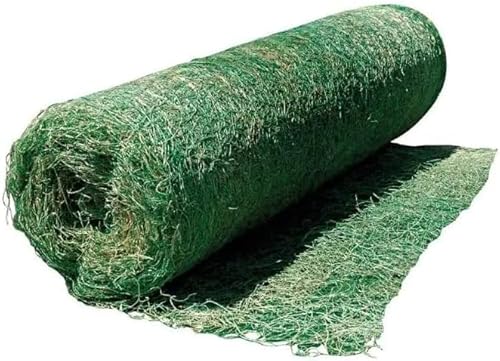
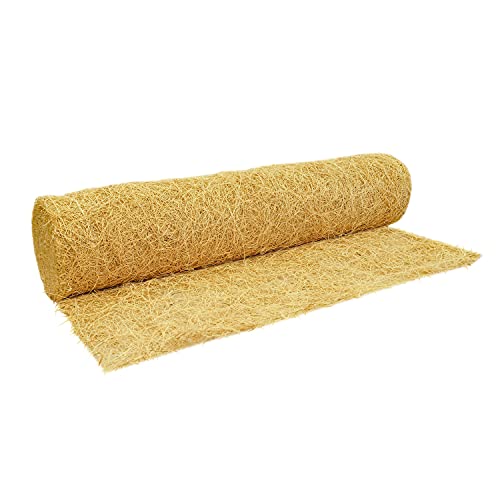
100% Biodegradable - The top of each blanket is covered with photo-degradable or biodegradable netting. The blankets are naturally seed-free and contain no chemical additives. The Dimensions of this product depending on shipping are 7.5' x 112.5'.
Spring Rain: A Life Lived in Gardens

What makes a rain garden truly thrive isn’t just the plants you choose, but the wisdom guiding your selection. You’ll find that wisdom distilled in *Spring Rain: A Life Lived in Gardens*, a 203-page Kindle eBook from Greystone Books, published April 4, 2023, where author Spring Rain cultivates decades of practical observation into accessible guidance.
You should read this memoir not for step-by-step cultivar specifications, but for the foundational understanding of how gardens, like lives, require patience, adaptation, and seasonal responsiveness. The text rewards you with insights into soil temperament, water movement through landscapes, and plant communities that self-sustain through wet-dry cycles.
You’ll recognize how Rain’s personal narratives illuminate universal principles: that drainage patterns matter more than individual specimens, that root depth determines drought resilience, and that native plant selection reduces maintenance burdens across USDA zones 4 through 9. Apply this philosophy by observing your site’s saturation points, noting where puddles persist after rainfall, and selecting species that evolved in similar hydrological conditions.
You won’t find specific planting depths or fertilizer ratios here, but you’ll develop the observational framework that makes technical details meaningful. The book encourages you to document your garden’s microclimates, track seasonal moisture fluctuations, and build plant palettes responsive to your specific conditions rather than arbitrary aesthetic preferences.
Best For: Gardeners seeking foundational wisdom about observing and understanding their landscape’s hydrological conditions rather than prescriptive planting instructions.
Pros:
- Cultivates observational skills for identifying site-specific moisture patterns and microclimates
- Offers philosophical framework connecting garden ecology to life principles of patience and adaptation
- Emphasizes sustainable, low-maintenance approaches through native plant selection and self-sustaining communities
Cons:
- Lacks specific technical details such as planting depths, cultivar specifications, and fertilizer ratios
- Limited geographic applicability with primary focus on USDA zones 4 through 9
- Requires readers to translate abstract principles into actionable garden plans without step-by-step guidance
Recommended Products
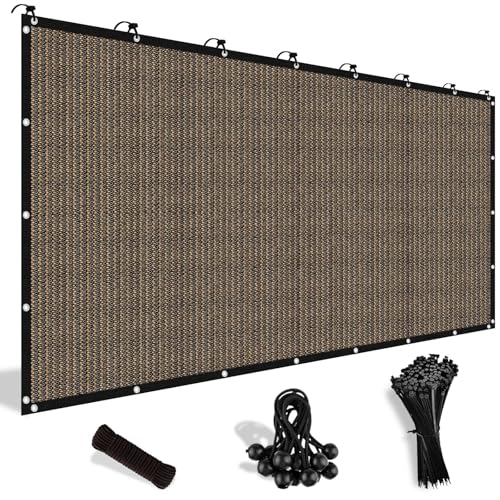
90% Sun Block: Shade&Beyond shade cloth with grommets provides 90% UV protection and resists UV fading. With excellent shading and heat insulation, you can get a shady retreat and keep your belongings away from the sun's harsh effects. By lowering the temperature under its shelter, these sunshades for patio always allow you to enjoy a cool and refreshing outdoor experience, making them ideal for patios, gardens, and more

【High Quality Shade Cloth 】- Our Shade Cloth can resist rays and most sunlight while air can still flow through so as to create a comfortable cool and shaded place for people or plants.

Garden Sun Shade Netting:Shade nets Effectively block UV rays,By Reflecting and Absorbing Sunlight,Shade nets Significantly Reduce the Temperature in Covered areas,Reducing Direct Sunlight Exposure and Protecting the skin from Sunburn,Providing Cooler Environment,Belongings away from the sun's Harsh Effects,it Always Allows you to enjoy cool and Refreshing Outdoor Experience,Making it Ideal for Patios,Gardens,and More
Tropical Plants Storm Greenhouse Rainstorm Ambience

Immersive 4K screensaver for TV with tropical plants in a storm visuals. Experience calming soundscapes TV simulating gentle rainfall and distant thunder. Utilize black...
You crave a rain garden that performs when storms arrive, and tropical cultivars deliver exactly that resilience. When you integrate storm-tolerant tropicals like Canna ‘Tropicanna’ (USDA zones 7-11) and Colocasia esculenta ‘Black Magic’ into your rain garden design, you’re building living infrastructure that channels excess water while maintaining visual drama during downpours. These plants tolerate saturated soils up to 48 hours, their broad leaves capturing rainfall and reducing erosion velocity by approximately 30 percent compared to bare ground.
For indoor cultivation or greenhouse staging, you can simulate ideal storm conditions using digital ambience tools. The Shinji Gaming app delivers immersive 4K tropical storm visuals, complete with swaying foliage and calibrated soundscapes featuring gentle rainfall at 40-50 decibels. You loop these sequences during propagation phases, acclimating young plants to humidity fluctuations they’ll encounter outdoors.
Select deep sleep modes with black screen audio for overnight greenhouse monitoring, ensuring your tropical specimens develop storm-ready resilience before transplanting.
Best For: Tropical plant enthusiasts, rain garden designers, and sleep seekers who want immersive storm ambience visuals and audio for relaxation, propagation staging, or deep sleep environments.
Pros:
- 4K looping visuals with calibrated 40-50 decibel rainfall soundscapes create authentic tropical storm immersion for plant acclimation or relaxation
- Dual functionality serves both active greenhouse staging needs and passive sleep/deep rest scenarios with dedicated black screen audio modes
- Storm-tolerant tropical plant integration guidance helps users build functional rain garden infrastructure with proven cultivars like Canna ‘Tropicanna’
Cons:
- Mobile app format may limit screen real estate compared to dedicated TV screensaver alternatives for immersive viewing
- USDA zone-specific plant recommendations (7-11) exclude gardeners in colder climates without greenhouse protection
- No mention of offline functionality or download options, potentially limiting use in areas with unstable connectivity
Recommended Products

Feed the soil not the plants - stimulate microbial activity in your soil and boost probability of success with all types of plants… like composting but faster
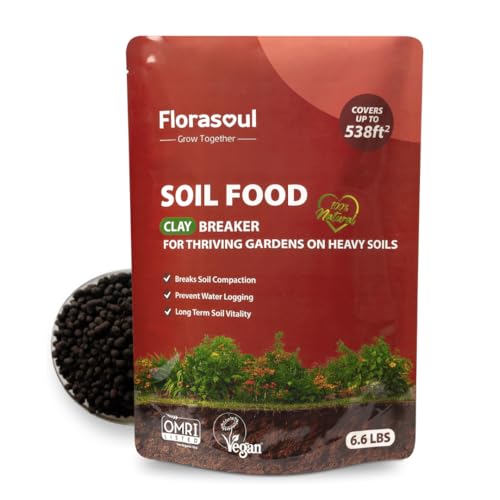
SOFTENS HEAVY CLAY SOIL: Stop struggling with hard, compacted ground. Our Clay Breaker naturally improves soil structure, making it easier to work and allowing roots to penetrate deeper for stronger, more resilient plants.
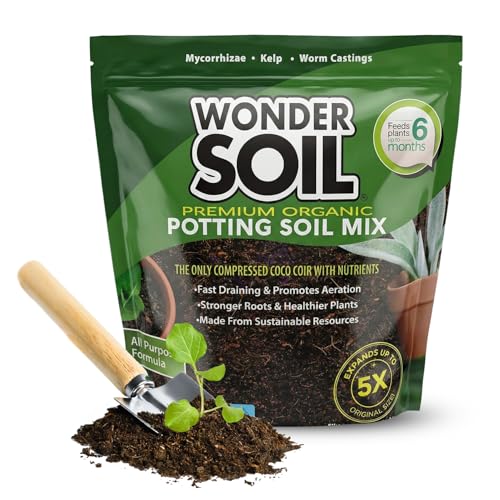
NUTRIENT RICH & INDOOR/OUTDOOR FAST GERMINATION… Wonder Soil Premium Organic Potting Soil Mix is the only dry compressed coco coir mix with added amendments of worm castings, mycorrhizae, kelp, perlite and more! Grow your plants faster with stronger roots! Peat free, all natural, family and pet safe!
Aifanss 30 Pack Garden Cloches with Adjustable Vent
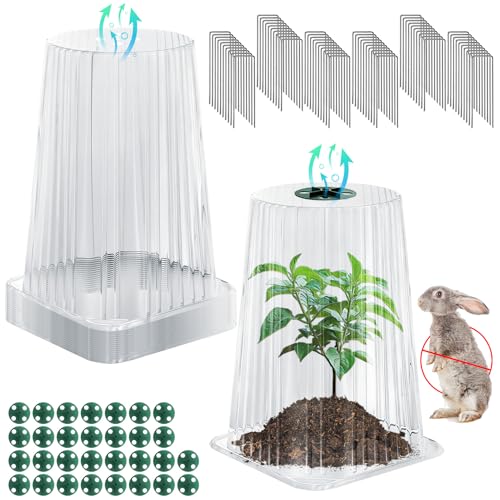
Multi-Functional Plant Cover: The garden cloches are suitable for seedlings, vegetables, and flowers, providing a stable growing environment. Protect against birds, snails,...
Looking for reliable protection that adapts as conditions change? You’ll find the Aifanss 30 Pack Garden Cloches deliver precisely that flexibility, measuring 9.44 inches high by 7.48 inches in diameter, crafted from thickened, transparent PVC that withstands deformation and breakage across multiple seasons.
You control the growing environment through adjustable top vents, opening them to promote airflow and moisture circulation when temperatures rise, closing them to retain warmth during unexpected frost or freeze events. This venting system proves essential when you’re establishing rain garden seedlings, which demand stable conditions while developing root systems capable of handling periodic inundation.
Each set includes thirty cloches, thirty adjustable vents, and sixty ground stakes, enabling tool-free installation over your vegetables, flowers, or native perennials. You secure them with stakes or soil, remove them easily for compact storage, and reuse them throughout USDA zones 4 through 9.
The high transparency ensures sunlight penetrates fully, supporting photosynthesis while the durable material blocks UV damage, rain, wind, and pests including birds, snails, rabbits, and squirrels.
Best For: Gardeners in USDA zones 4-9 who need reusable, adjustable protection for seedlings, vegetables, and flowers against variable weather, pests, and frost conditions.
Pros:
- Adjustable top vents allow precise climate control for airflow or warmth retention as conditions change
- Tool-free installation with included ground stakes and durable, reusable thickened PVC for multi-season use
- High transparency maximizes sunlight penetration for photosynthesis while blocking UV damage and pests
Cons:
- Fixed 9.44″ H x 7.48″ D size may not accommodate larger or mature plants
- Requires manual vent adjustment rather than automatic temperature-responsive operation
- Transparent PVC construction may become less clear or develop condensation over extended use
Recommended Products


Galvanized steel to prevent corrosion and extend life
Let’s Build a Rain Garden

Why struggle with complex drainage solutions when a concise, expertly crafted guide can walk you through every step? *Let’s Build a Rain Garden*, published independently by Majosta in 2020, delivers exactly that: a 24-page paperback packed with actionable instruction for homeowners, gardeners, and landscape enthusiasts ready to transform soggy, runoff-prone areas into thriving, water-smart plantings.
You’ll find step-by-step guidance on rain garden design, native plant selection, soil preparation, and water management. The guide addresses runoff reduction with practical methods you can implement immediately.
Maintenance tips and troubleshooting for common issues appear throughout, ensuring your 6- to 12-inch deep basin performs optimally across USDA zones 5 through 9. Whether you’re managing clay-heavy soils or selecting moisture-tolerant cultivars like Carex and *Eutrochium*, this 2020 reference provides the density of detail you need without overwhelming complexity.
Best For: Homeowners and gardeners in USDA zones 5-9 who want a quick, practical guide to building a functional rain garden without wading through lengthy technical manuals.
Pros:
- Compact 24-page format distills essential information for fast reference and immediate action
- Covers complete project lifecycle from design and plant selection through maintenance and troubleshooting
- Specifically addresses regional challenges including clay soils and includes targeted plant recommendations like Carex and Eutrochium
Cons:
- Limited to 24 pages, which may lack depth for readers seeking comprehensive technical specifications or advanced engineering details
- Geographic focus on USDA zones 5-9 excludes gardeners in colder northern or hotter southern climates
- Being independently published in 2020, it may not reflect the most current research, cultivar availability, or updated environmental regulations
Recommended Products
Shade-Loving Native Plant – Thrives in partial to full shade; ideal for woodland gardens and low-light areas.
Shade-Loving Native Plant – Thrives in partial to full shade; ideal for woodland gardens and low-light areas.
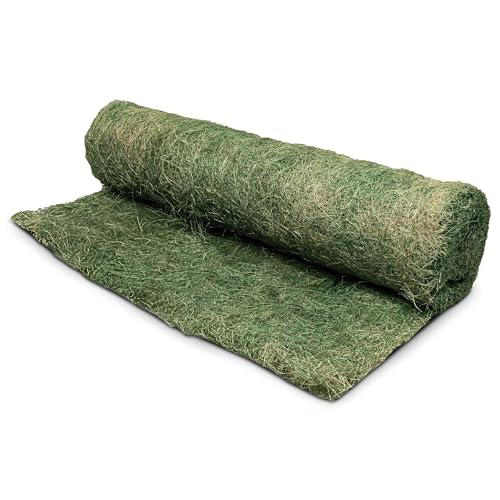
Aspen Wood Fiber Blanket: Made from natural curled aspen wood excelsior with long fibers distributed evenly throughout the blanket to support soil retention on disturbed ground areas
STYDDI Rain Shower Watering Wand, Soft Gentle Watering Wand for Garden Hose

DESIGNED TO MIMIC NATURAL RAINFALL, PROVIDING A SOFT, EVEN WATER FLOW THAT IS GENTLE ON PLANTS AND SOIL: STYDDI fine watering wand is newly designed with 1008 holes to bring...
Hand protection matters, yet it’s rarely the first tool you’ll list. The STYDDI Rain Shower Watering Wand, model HG103, delivers 18 inches of aluminum construction with a 1008-hole stainless steel shower head that mimics natural rainfall, distributing soft, even water across your rain garden plantings without compacting soil or damaging tender seedlings.
You’ll control flow precisely through the thumb valve, sliding from full stream to gentle trickle without straining your wrist. The pivoting head rotates 180 degrees, letting you angle water beneath dense foliage or reach distant bed corners without stepping into planted areas.
The thermoplastic rubber grip stays slip-resistant when wet, reducing hand fatigue during extended watering sessions. At just over a pound, this silver-and-black wand balances durability with maneuverability, serving your rain garden maintenance for years.
Best For: Gardeners with rain gardens, delicate seedlings, or dense plantings who need precise, gentle watering without soil compaction or wrist strain.
Pros:
- 1008-hole design mimics natural rainfall for soft, even water distribution that won’t damage tender plants or compact soil
- Thumb control valve and pivoting 180-degree head enable precise, one-handed flow adjustment and angled watering in hard-to-reach areas
- Lightweight aluminum construction with slip-resistant rubber grip reduces hand fatigue and wrist strain during extended use
Cons:
- Fixed 18-inch length may limit reach for very large gardens or distant beds without additional movement
- 1008-hole shower head may clog over time if used with unfiltered or hard water sources
- Thumb control lever may be difficult to operate smoothly for those with limited hand dexterity or strength
Recommended Products

【UV Protection & Cooling】Made of 100% brand new High Density Polyethylene material and eliminate the use of splicing fabrics.Blocks up to 95% of harmful UV rays and direct sunlight exposure."Breathable" fabric allows air to pass freely and achieve a certain degree of cooling.

Sun Protection for Outdoor Plants — Designed to block harsh sunlight from potted plants, flower beds, vegetables, and blooms; helps reduce sun damage and supports healthier plant growth in garden beds and patio containers.

90% Shade Block for Heat-Sensitive Plants– Blocks up to 90% of UV rays while the open-knit structure lets air and light through, so your plants stay cool without being completely dark. Reduces heat transfer to prevent leaf scorch during 100°F+ summer days. Works great for gardens, greenhouses, and patio plants — users say it "saved my plants from extreme heat.
Rain Garden

protect water quality design, install & maintain a rain garden manage multiple rain gardens
You’ve got water pooling where it shouldn’t, and you’re wondering which plants won’t drown when the skies open up. You’re not alone in this challenge, and you’re about to discover how a properly designed rain garden transforms your problem into an asset.
You’ll protect water quality while managing multiple rain gardens across your property. You’ll do this through strategic plant selection that thrives in fluctuating moisture conditions. You’re looking at native perennials like swamp milkweed, Asclepias incarnata, which tolerates zones 3-9, or the versatile blue flag iris, Iris versicolor, hardy in zones 3-9, both handling 6 inches of standing water without complaint.
You’re accessing expert guidance through the Rain Garden app, developed by the UConn Center for Land Use Education and Research, which walks you through design, installation, and maintenance protocols. You’ll input your site conditions, and you’ll receive customized plant lists matched to your specific drainage patterns and sun exposure.
You’re installing your garden in a shallow depression, 4-8 inches deep, and you’re amending soil with 2-3 inches of compost. You’re placing water-tolerant species in the center, where pooling lasts longest, and you’re positioning drought-tolerant plants on the berm edges. You’re mulching with 2-3 inches of shredded hardwood, and you’re weeding monthly through establishment.
You’re checking your app for seasonal maintenance reminders, and you’re observing how your garden handles 1-inch rainfall events. You’re creating habitat while solving drainage, and you’re joining thousands who’ve replaced lawn with function.
Best For: Property owners dealing with water pooling and drainage issues who want expert-guided solutions for designing, installing, and maintaining rain gardens with appropriate native plant selection.
Pros:
- Provides customized plant recommendations based on specific site conditions including drainage patterns and sun exposure
- Offers comprehensive support covering the full rain garden lifecycle from design through installation and ongoing maintenance
- Developed by a credible educational institution (UConn Center for Land Use Education and Research) ensuring research-backed guidance
Cons:
- Limited to mobile application platform which may exclude users without compatible devices or those preferring desktop/web-based tools
- Requires user to accurately assess and input their own site conditions for recommendations to be effective
- No mention of offline functionality, potentially limiting access in areas with poor connectivity during outdoor installation work
Recommended Products

Improves soil health, lawn health, plant health, and reduce the use of fertilizers

Specially Crafted for Acid-Loving Plants: Formulated with a naturally low pH blend to improve and revitalize soil for rhododendrons, azaleas, hydrangeas, blueberries, strawberries, ferns, camellias, and other acid-loving plants.
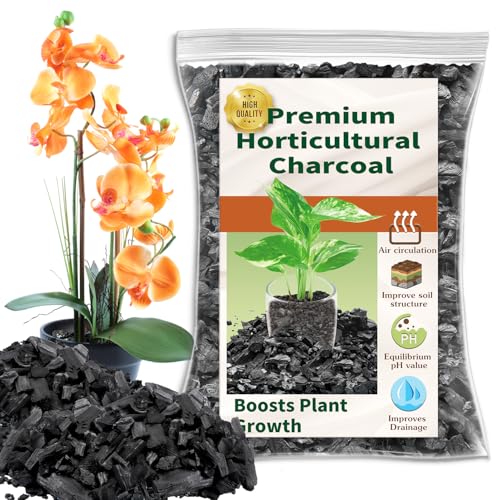
[Exceptional Drainage]: The porosity of horticultural charcoal helps drain excess water, especially beneficial for containers without drainage holes, creating a keep fit environment for plant roots
DIY Guide to Ponds, Fountains & Water Features

This guide suits gardeners managing soggy lawns, seasonal runoff, or compacted clay soils where standing water persists beyond 48 hours after rainfall. You will assess your site’s sun exposure, soil drainage, and available space before selecting between ponds, fountains, or integrated rain garden features. This ensures your design aligns with both aesthetic goals and practical water management needs across USDA zones 5-9.
You will excavate to calculated depths, install EPDM or PVC liners with protective underlayment, and establish planting pockets at 6-inch, 12-inch, and 18-inch depths for marginal and aquatic species such as Carex stricta and Iris versicolor. Your pump selection must match circulation requirements, typically 500-1000 gallons per hour per 100 square feet of surface area. Mechanical and biological filtration should be positioned upstream of planting zones.
You will fill containers with heavy loam topped with gravel, avoiding lightweight potting mixes that cloud water. Position plants according to their preferred submersion levels. Your maintenance routine includes monthly debris removal, seasonal pump inspection, and winterization in zones below 6. This involves draining lines and relocating tender specimens to prevent freeze damage.
Best For: Home gardeners in USDA zones 5-9 dealing with poor drainage, clay soils, or standing water who want hands-on guidance for building functional, low-maintenance water features that balance aesthetics with stormwater management.
Pros:
- Provides specific, actionable construction details including liner types, planting depths, and pump sizing formulas rather than vague advice
- Integrates practical water management solutions with habitat creation, addressing both drainage problems and ecological benefits
- Includes zone-specific winterization guidance and maintenance schedules tailored to cold-climate durability
Cons:
- Geographic limitation to USDA zones 5-9 leaves out gardeners in extreme cold or tropical regions without adaptation notes
- Assumes moderate DIY skill level with excavation, plumbing, and electrical work without addressing beginner safety training
- No guidance on permitting requirements, property line setbacks, or code compliance for water features in residential areas
Recommended Products

50-Gallon Capacity: Provides ample storage for harvested rainwater, ideal for watering gardens, lawns, and plants.

【UV Protection & Waterproof】The sail awning is made of 160GSM High-Density Polyester (PES) waterproof fabric with a PU coating that is tear-resistant and waterproof(400 kpa).Blocks up to 98% of harmful UV rays and direct sunlight exposure."Breathable" fabric allows air to pass freely and achieve a certain degree of waterproof & cooling.

Water Conservation Made Easy: Capture and store up to 45 gallons of rainwater, integrating seamlessly with your home’s downspout to help lower water bills and ease demand on resources. Designed for dependable, everyday use in the yard.
1 Gallon Watering Can with Sprinkler Head

WHAT A BEAUTIFUL GARDEN YOU HAVE: Watering can features an extra-long spout that makes it easy to water plants. One-piece construction that reduces the risk of leaks....
Your rain garden’s success depends on tools that match its scale, and the NERUB 1 Gallon Watering Can delivers precisely the capacity you’ll need for establishing young plantings without overwatering. You’ll appreciate the sturdy shatterproof plastic construction, which keeps this tool lightweight yet durable through seasons of use in Zones 4-9, where rain gardens flourish across varied conditions.
The extra-long spout and removable sprinkler head give you two critical options: attach the rose for a gentle shower that protects delicate seedlings like Carex stricta or Juncus effusus, or remove it entirely for direct, efficient watering when you’re settling transplants into moist soil. A reliable gasket prevents leaks, ensuring you carry water exactly where you intend.
The balanced handle supports comfortable carrying, and one gallon represents the maximum capacity you’ll manage without fatigue during extended planting sessions. You’ll find this practical limit serves your routine maintenance perfectly, combining precise control with the ergonomic design your sustainable garden demands.
Best For: Gardeners establishing and maintaining rain gardens in Zones 4-9 who need a lightweight, precise watering tool for delicate seedlings and routine plant care.
Pros:
- Removable sprinkler head provides versatile watering options, from gentle shower for seedlings to direct flow for transplanting
- Sturdy shatterproof plastic construction delivers durability while remaining lightweight for comfortable extended use
- Reliable gasket and one-piece design prevent leaks, ensuring water reaches intended targets without waste
Cons:
- 1 gallon capacity may require frequent refills for larger rain garden installations or extended watering sessions
- Plastic construction may degrade or discolor with prolonged UV exposure in outdoor conditions
- Extra-long spout design could prove unwieldy in tight spaces or when watering densely planted areas
Recommended Products

Biodegradable fibers cling to each other and soil to help hold seed and soil in place.
DIRECT FROM MANUFACTURER
Factors to Consider When Choosing Plants for a Rain Garden
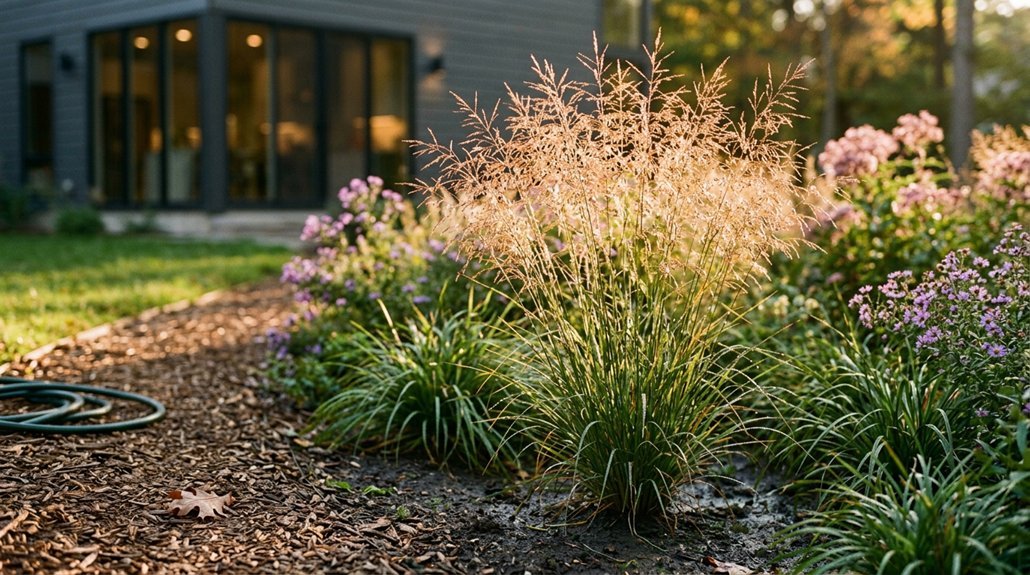
Before you select any species for your rain garden, you’ll evaluate five critical criteria: moisture tolerance levels, sunlight exposure needs, soil drainage speed, native plant selection, and root system depth, ensuring each choice withstands alternating wet and dry conditions while supporting your local ecosystem.
You’ll match plants to your specific USDA hardiness zone, typically zones 3-9 for most rain garden applications, and verify that deep-rooted cultivars like Carex stricta or shallow fibrous systems such as Juncus effusus correspond to your slope’s water retention capacity, measured in inches per hour.
Moisture Tolerance Levels
How do you match the right plant to the right wetness? You start by mapping your rain garden’s moisture zones, recognizing that low-lying areas hold saturated, low-oxygen soils while upland sections drain faster.
Plants suited to hydric conditions, such as those with shallow, fibrous root systems, tolerate periodic submersion during heavy rainfall events. You’ll want species that handle consistent moisture without succumbing to root rot from prolonged waterlogging.
Groundwater fluctuations and local rainfall patterns shape your site’s hydrology, so you should select a diverse mix with overlapping but distinct moisture requirements. This strategy builds resilience against unpredictable weather.
After planting, monitor soil moisture regularly. Adjust your irrigation or replace underperforming species if you notice extended wet or dry spells compromising plant health.
Sunlight Exposure Needs
Where should you position each species so it receives the light it actually needs? You’ll want to match each plant to your site’s daily sun exposure, recognizing that full sun means six or more hours of direct light, while partial sun falls between three and six hours. In shaded areas, you should select moisture-loving plants that tolerate lower light levels. For sunny spots, you need species that withstand hotter, drier conditions between rain events.
Remember that sunlight intensity directly affects flowering duration and color vibrancy, with increased exposure typically promoting longer bloom periods among native and ornamental selections. Strong afternoon sun accelerates evaporation, so you’ll position sun-loving plants where they can access deeper soil profiles.
When light conditions vary across your garden, you should blend sun-tolerant and shade-tolerant species, creating a resilient, staggered canopy that maintains filtration and habitat benefits throughout each day.
Soil Drainage Speed
Once you’ve mapped your sunlight patterns, you’ll turn your attention to how quickly water moves through your soil, since drainage speed determines which plants will flourish and which will drown or desiccate.
You’ll want slow to moderate drainage, typically 12 to 48 hours for water to percolate, which supports root growth without harmful pooling. Sandy soils drain faster than ideal, so you’ll add organic matter to improve water-holding capacity. Clay-heavy soils drain too slowly, requiring compost or coarse organic matter to create better infiltration paths.
A well-designed rain garden targets 0.5 to 2 inches per hour gravimetric infiltration, depending on your slope and plant choices. You’ll measure this with a simple drop-and-wait test, observing how quickly water disappears.
If results fall outside optimal ranges, you’ll amend your soil or revise your plan before planting.
Native Plant Selection
You’ll find that native plants form the backbone of every successful rain garden, not merely because they’re locally adapted, but because they’ve evolved alongside your region’s precise rainfall fluctuations, soil chemistry, and seasonal temperature swings. When you select natives, you’re choosing species that establish quickly, demand minimal irrigation, and synchronize their bloom periods with local pollinator life cycles.
You should prioritize plants naturalized to wet-to-dry transitions, ensuring they tolerate both inundation and seasonal drought. Group your selections by moisture tolerance and sun exposure, creating layered communities that resist erosion and reduce maintenance demands. Match each plant to your specific USDA zone, and verify bloom times span March through September to sustain beneficial insects. This deliberate approach builds resilient, self-sustaining ecosystems that perform reliably across variable weather patterns.
Root System Depth
How deeply do your chosen plants need to root to transform saturated soil into a thriving, self-regulating system? You’ll want species reaching 6 inches to several feet, matching your groundwater table and moisture zones.
Shallow-rooted plants, roughly 6–12 inches deep, establish quickly in compacted or fine-textured surface soils, drawing mid-level moisture efficiently.
Deep-rooted species, often 18 inches or more, stabilize slopes and tap saturated layers below, reducing surface pooling through enhanced drainage.
Seasonal Bloom Timing
Pollinators and beneficial insects depend on this continuity, as gaps in floral resource availability force territorial abandonment and population collapse. You must select species with staggered bloom windows, pairing early spring ephemerals like marsh marigold (Caltha palustris, Zones 3–7) with mid-summer performers such as swamp milkweed (Asclepias incarnata, Zones 3–9) and late-season asters (Symphyotrichum novae-angliae, Zones 4–8), ensuring sequential nectar flow from March through October.
Map each plant’s documented bloom period against your local rainfall calendar, prioritizing moisture-loving species when soils stay saturated and drought-tolerant bloomers during summer drawdown. You’ll avoid visual monotony and competitive shading by positioning taller late-season plants where they won’t obscure shorter spring displays.
This staggered approach maintains habitat value and ornamental impact regardless of precipitation fluctuations.
Wildlife Attraction Value
The deliberate orchestration of wildlife value transforms your rain garden from a mere drainage feature into a functioning ecological corridor, one that sustains pollinators, birds, and beneficial insects through every season. You will attract more local wildlife when you prioritize native plants, since regional fauna have coevolved with these species over millennia, creating dependencies you can exploit through thoughtful selection.
Layer your plantings with diverse heights and staggered bloom sequences, ensuring continuous resource availability from early spring through hard frost. Incorporate nectar-rich perennials like Asclepias tuberosa, Zones 3-9, alongside larval host plants such as Eupatorium perfoliatum to boost butterfly and bee visitation.
Provide dense clumps and brushy understories for shelter and nesting. Avoid invasive species and toxic cultivars entirely. You are building stability, one intentional planting at a time.