
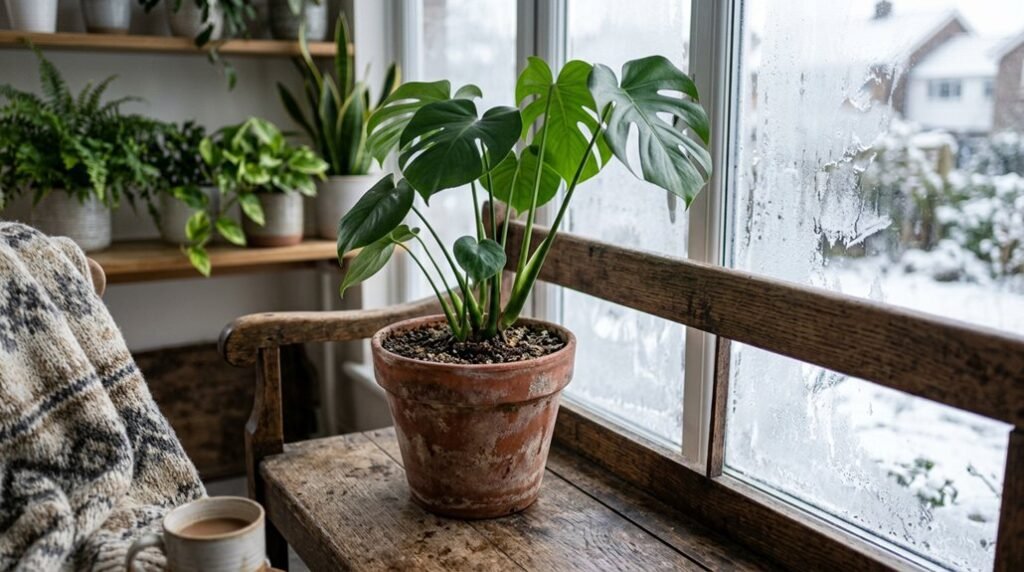


Your houseplants enter a state of physiological dormancy in winter, triggered by shorter photoperiods and cooler ambient temperatures, which reduces their metabolic rate by up to 50 percent compared to active growing seasons. This biological slowdown means their root systems absorb water far more slowly, yet many growers maintain summer irrigation schedules without realizing the danger. You’ll need to abandon calendar-based watering entirely, because root-zone conditions, not dates, determine when your Ficus lyrata or ZZ plant actually needs moisture. The consequences of missing this shift can be severe: anaerobic soil conditions develop rapidly in winter, leading to root rot that often proves fatal before visible symptoms appear. But there’s a precise method to prevent this, and it starts with understanding exactly how dry your potting mix should become before you reach for the watering can.
Check Soil Moisture Before Watering Houseplants in Winter
When exactly should you lift the watering can this winter? You’ll find your answer by learning to check soil moisture properly, since winter watering demands patience and precision you might not need in warmer months.
First, insert your finger 1 to 2 inches into the potting mix, or rely on a moisture meter for greater accuracy. Cooler temperatures mean soil moisture evaporates slowly, so your watering frequency must drop accordingly. Wait until you encounter genuinely dry soil at that depth, not merely surface-level dust.
Once you’ve confirmed dormancy conditions and verified dryness, water deeply. Saturate the entire root zone until excess drains freely, ensuring moisture reaches bottom roots rather than merely wetting the top inch. This thorough approach prevents shallow root development and prepares your houseplants for healthier spring growth.
Recommended Products

Accurate Soil Moisture Detection: The XLUX Soil Moisture Meter can tell you if the soil deep inside your pot or garden is dry, moist or wet; whereas your eyes and fingers can only determine the moisture level of the soil surface. The probe is 5.5 inches (14 cm) longer than regular styles, allowing it to measure the soil moisture at the bottom of larger and deeper flower pots.

Accurate Soil Moisture Detection: The XLUX Soil Moisture Meter can tell you if the soil deep inside your pot or garden is dry, moist or wet; whereas your eyes and fingers can only determine the moisture level of the soil surface. The probe is 5.5 inches (14 cm) longer than regular styles, allowing it to measure the soil moisture at the bottom of larger and deeper flower pots.

Accurate Soil Moisture Detection: The XLUX Soil Moisture Meter detects deep soil moisture in pots or gardens (dry/moist/wet), unlike eyes or fingers that only sense surface soil.
Why Winter Slows Your Houseplants’ Water Needs
Your houseplants naturally slow their metabolism as daylight hours dwindle and temperatures drop, which dramatically reduces their demand for moisture since dormant roots simply don’t absorb water at summer rates, while cooler indoor air, even when dry, causes far less evaporation from both soil surfaces and leaf pores than the warm growing season you’re accustomed to, meaning that oversaturating the potting mix becomes a genuine hazard you must actively resist. You’ll notice that a Pothos trailing in your 65°F living room, or a Snake Plant enduring short winter days, can easily go two to three weeks between thorough waterings compared to their weekly summer schedule, though you should still verify dryness by probing your finger two inches into the mix before adding any water. This fundamental shift in plant physiology, rather than any failing on your part, explains why your instinct to maintain familiar routines actually threatens root health through rot-inducing stagnation, so adjust your expectations and trust the visible cues your plants provide.
Recommended Products

Vacation-Proof Hydration: Ensure your plants stay lush and vibrant even when you're away with our Glass Globe Watering System, designed for effortless watering during vacations.


Slowed Plant Metabolism
Why do your houseplants seem to drink less once temperatures drop? You’re witnessing slowed metabolism in action, as winter triggers dormancy or semi-dormancy in most tropical and temperate species, including popular cultivars like Ficus lyrata and Spathiphyllum. Your plants’ reduced transpiration and lower root absorption mean soil moisture persists longer between waterings, even when dry air pulls some moisture through leaves.
You can’t rely on surface dryness as your cue; instead, insert your finger two inches into the potting mix to assess actual moisture levels. Because metabolic activity drops approximately 25% compared to active growth periods, you’ll press less water on root systems that simply cannot process it efficiently. Water deeply, but only when the lower root zone approaches dryness, protecting roots from decay in cool, wet conditions.
Reduced Evaporation Rates
How exactly does winter air affect the moisture lingering in your pots? You will notice that evaporation rates drop markedly during winter dormancy, even when your heating system creates drier indoor air humidity. Cooler temperatures slow the escape of water from soil surfaces, and this reduction outweighs any increase in transpiration you might observe from leaf surfaces.
Because soil moisture remains elevated for extended periods, you must adjust your watering intervals accordingly. Rather than following a calendar schedule, you should perform a soil moisture check, inserting your finger 1–2 inches deep to assess true hydration levels. Surface drying proves misleading in winter. Your plants demand less frequent irrigation than in spring or summer, so trust these physical cues over routine habits.
Match Watering Frequency to Your Specific Plant Type
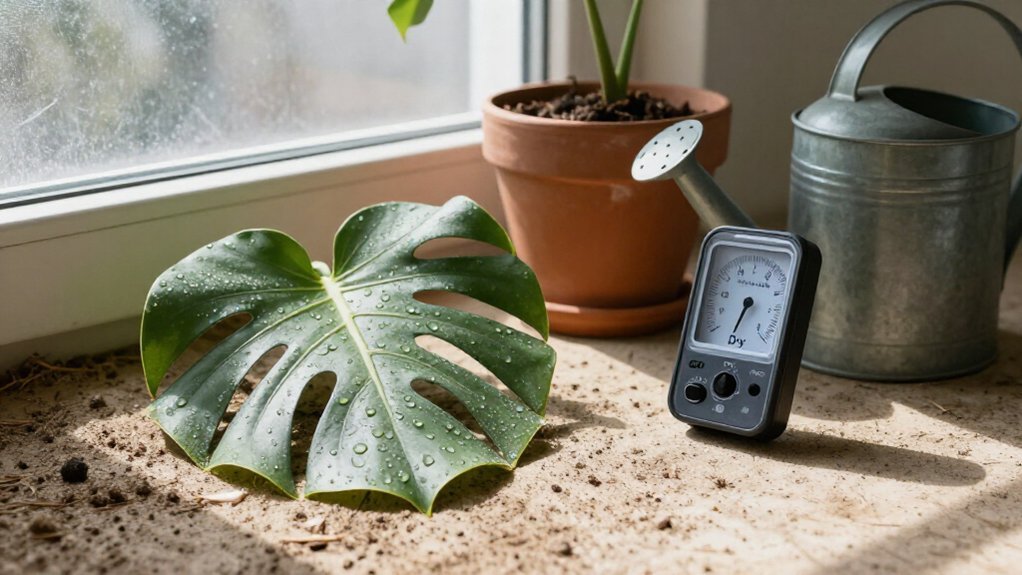
You’ll need to adjust your winter watering strategy based on whether your plants enter full dormancy, like deciduous Ficus species, or maintain slow growth, such as tropical Pilea peperomioides in USDA zones 10–12, since succulents including Echeveria and Haworthia demand completely dry soil between waterings while your moisture-loving Calathea varieties still prefer lightly damp, never soggy, conditions. Before adding any water, insert your finger two inches into the potting mix, or rely on a digital moisture meter reading below 3, to confirm dryness at root level, and when you do irrigate, saturate the substrate until water exits the drainage holes, then discard the saucer contents within thirty minutes. This measured approach, applied consistently across your collection from January through March, protects vulnerable root systems from cold-induced rot while sustaining the reduced metabolic needs that define healthy winter dormancy.
Recommended Products
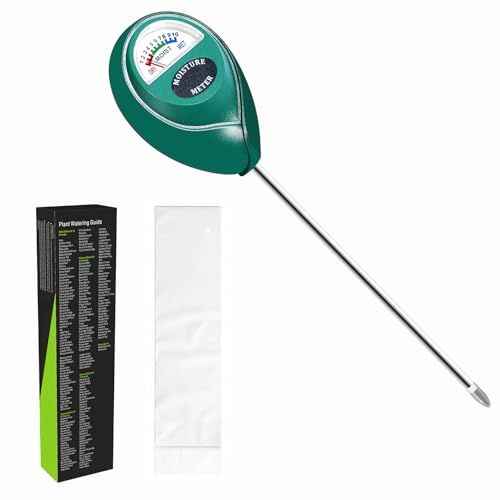
Trusted Since 2015: Become one of the many plant lovers who rely on the proven accuracy of XLUX. Established in 2015, our soil moisture meter has earned over 60,000+ verified ratings for its consistent performance. While many many newer brands come and go, we provide the long-term reliability and quality that American households have trusted for over a decade.

【4 in 1 function】This is a 4-in-1 multifunctional soil tester.Our soil tester fastly to measure soil moisture, pH, temperature and sunlight to help you take better care of flowers and plants.You can know when you need to water your soil by measuring moisture and pH & Temperature value of the soil and sunlight level of plants with it.
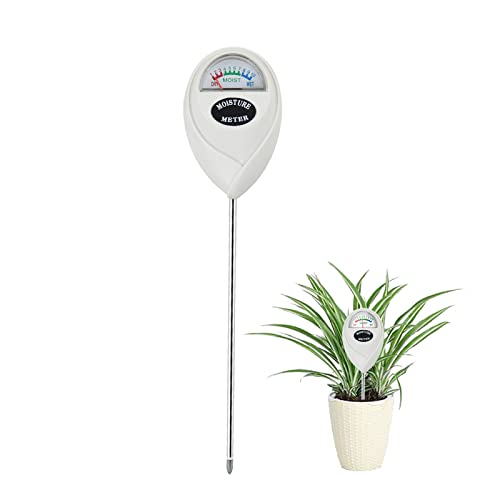
【SAVE YOUR PLANTS】: Over watering can cause problems with your plants or even kill them. This soil moisture meter helps you know the soil is dry, moist or wet.No more over watering!
Dormancy Water Needs
Where exactly should you begin when your pothos, snake plant, or fiddle-leaf fig enters its winter slowdown? You start by recognizing that winter dormancy demands less water from your indoor plants, since reduced evapotranspiration means soil moisture lingers longer than in summer’s heat. You check the soil at least 1–2 inches deep before adding any water; if that depth stays dry, you water, but if it retains dampness, you wait. This patience forms your root rot prevention strategy. You adjust your winter watering schedule accordingly, cutting frequency by roughly half for most tropical species in USDA zones 10-11 when grown indoors. You always use room-temperature water, avoiding cold shock, and you water deeply when you do water, ensuring moisture reaches the entire root zone before letting excess drain completely.
Succulent Dry-Out Rules
Succulents operate under an entirely different hydration protocol than your tropical foliage plants, and winter amplifies this distinction. Your succulent dry-out strategy demands patience, as these plants require the longest drying period of the year.
Never rely on superficial dryness; you must verify that dry soil extends through the entire root zone before considering winter watering. This vigilance forms your primary defense for root rot prevention.
When conditions finally warrant irrigation, employ room-temperature water to avoid shocking dormant tissues. Execute deep irrigation that thoroughly moistens the root ball, then ensure complete drainage before returning the pot to its saucer.
Abandon fixed calendars entirely. Your reduced irrigation schedule responds solely to soil conditions, not dates. Relative to your tropical specimens, succulents demand dramatically less frequent attention. Respect their dormancy, and you’ll preserve healthy specimens through the coldest months.
Moisture Check Methods
How do you know when your houseplants actually need water during winter’s deceptive dormancy? You perform a moisture check at soil depth of at least three inches before committing to winter watering. Push your finger into the potting mix, or rely on a moisture meter for precision, and only proceed if the probe registers dry at that depth. This simple finger test prevents the soggy conditions that trigger root rot prevention protocols, extending your water interval significantly from summer schedules.
When you do irrigate, water deeply until drainage flows freely from the bottom, then empty saucers promptly to eliminate wet feet. Match your technique to each plant’s needs: succulents demand complete dry-out, while tropical specimens tolerate slight residual moisture. Room-temperature water prevents shock, and moisture-based observation trumps rigid calendars every time.
Use Room-Temperature Water at the Right Time of Day
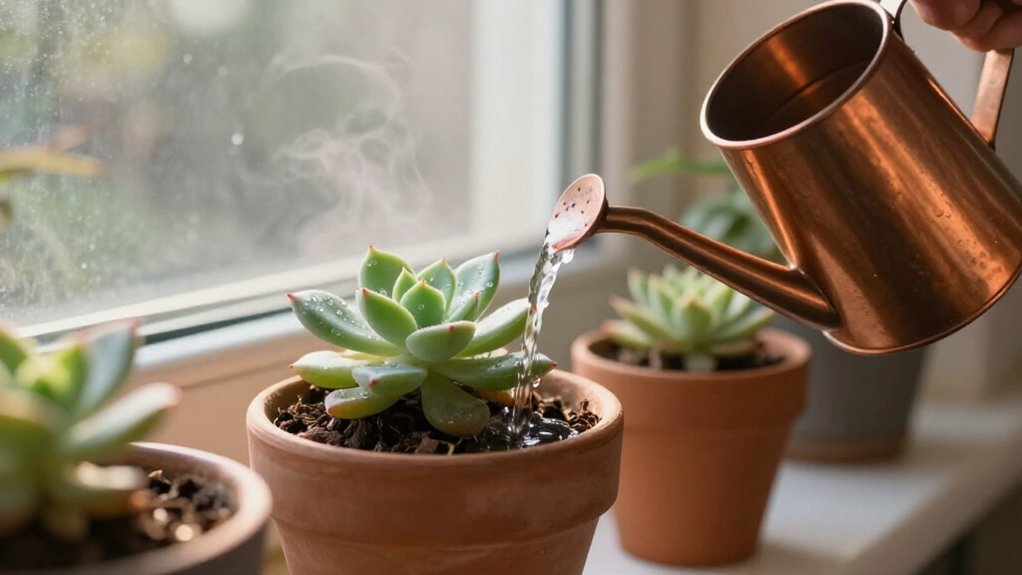
Why risk shocking your plants’ roots when a simple temperature check can prevent it? You should always use room-temperature water for your winter watering routine, since ice-cold tap water can stress sensitive root systems and slow growth. Before you pour, check soil moisture at one to two inches deep, and only proceed when it feels dry, a key principle of winter less water care.
Morning watering gives your indoor plants the best advantage, allowing excess moisture to evaporate during daylight hours. This timing helps prevent root rot by reducing overnight dampness that fungi exploit. Adjust your watering schedule to these earlier hours, and apply water slowly to reach deep root zones rather than wetting just the surface. Always tip out standing water from saucers immediately after.
Recommended Products

Kindly NOTE: This soil tester can not be applied to test pH value of any other liquid. If the soil is too dry the indicator will not move, and water it before testing.
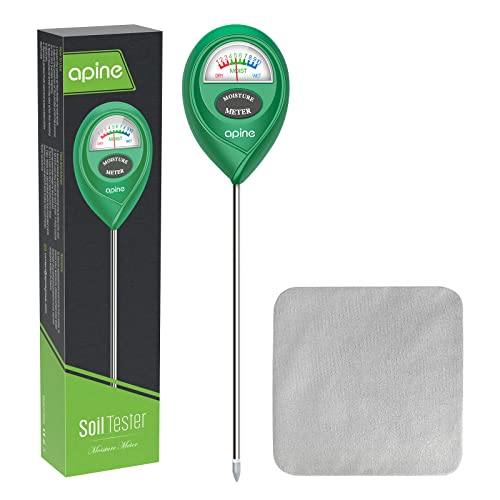
Quick Measurement:Just insert the probe of the plant water meter into the soil about two to four inches,wait a few seconds,you can get the soil moisture immediately.The color division of the dial is simple and clear,and the elderly can easily use it
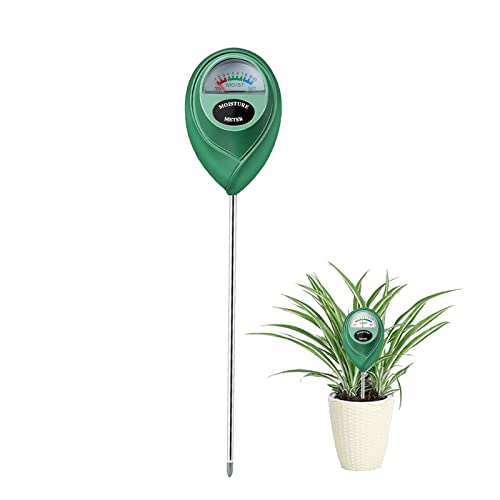
【SAVE YOUR PLANTS】: Over watering can cause problems with your plants or even kill them. This soil moisture meter helps you know the soil is dry, moist or wet.No more over watering!
Spot These Overwatering Warning Signs in Winter
You’ve got the timing and temperature sorted, so now you’ll need to recognize when you’ve actually given too much of that good thing. Overwatering, the leading winter killer of houseplants, strikes when cooler temperatures and reduced growth slow root metabolism, allowing root rot to develop even as surface soil appears dry.
Watch signs carefully: browning leaf tips and curling foliage often precede visible wetness, since winter soil moisture persists longer beneath the surface. Extend your water intervals and verify drying depth by checking 1–2 inches down before adding any liquid.
- Inspect roots gently; browning or mushy textures signal trouble before you feel dampness topside.
- Never leave standing water in saucers, as this creates persistent wet feet.
- Employ a soil moisture meter at root level to separate true thirst from dry air symptoms.
- Adjust your routine weekly, not daily, matching irrigation to actual conditions rather than calendar dates.
Recommended Products

Revive plants affected by poor soil airflow by increasing oxygen around roots and helping prevent root rot caused by excess moisture.

Package Content: These plant aeration tubes for pots come in 10pcs with white color and size 0.54x9.84in/14x250mm. You can place plant aeration tubes in different planters with ease, and your daily root care gets enough pieces for indoor pots, balcony pots, and garden containers.
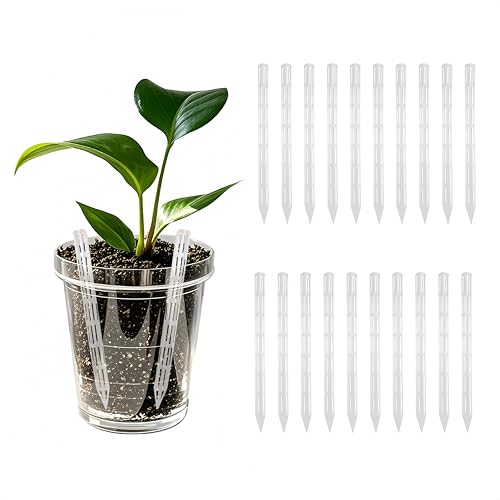
Revive plants affected by poor soil airflow by increasing oxygen around roots and helping prevent root rot caused by excess moisture.
Rescue Plants From Soggy Soil and Root Rot Fast
When you spot the telltale signs of trouble, browning leaf tips curling inward or that unmistakable musty, mildewy odor rising from the pot, swift action will determine whether your houseplant recovers or succumbs to root rot.
First, you must address the soggy soil immediately. Remove excess water from saucers, and let your pots drain fully. Check that your drainage holes remain unobstructed, since a compromised drainage system traps moisture that fuels decay.
Adjust your winter watering schedule by lengthening intervals significantly. Insert a water meter into the root zone, and water only when readings confirm dry conditions three inches deep. Surface soil moisture deceives you, so rely on root-level measurements.
If waterlogging persists, repot into well-draining mix. When employing bottom-watering, set strict timers to prevent prolonged submersion that invites further damage.
Recommended Products

**Free Plants Guide Included
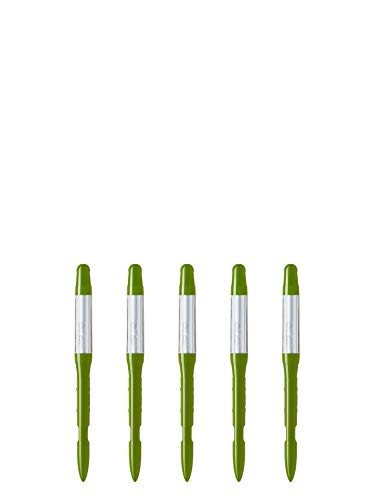
Dimensions: 0.4 x 0.3 x 4.7 inches (small) - Intended for pot sizes of 2, 2.5, and 3 - Ideal for small succulents

✅ 1Dial & 1 LCD Screen - Replace/install all 3 batteries each time. Put button to %RH/°F to - Turn On, and put to LIGHT to - Turn Off. Read the LCD results in 3-5 mins. (Not Water Moisture Meter, so, please don't test liquid)