


You can prevent blossom end rot on your tomatoes through five proven methods that balance soil chemistry, irrigation discipline, and timely cultural practices. Focus first on maintaining steady soil moisture, since fluctuating water levels disrupt calcium uptake in cultivars like ‘Celebrity’ and ‘Roma’ across USDA zones 5 through 10. Test your soil months before planting, adjusting pH to 6.2–6.8 with agricultural lime when calcium levels read below 800 ppm on lab reports. Once fruits set, switch from nitrogen-heavy feeds to phosphorus-rich formulations, such as 5-10-10 or bone meal applications. Remove affected fruits immediately to redirect energy, and remember that foliar calcium sprays cannot substitute for root-zone availability. These steps work for container gardens and raised beds alike, though you’ll need more frequent irrigation, sometimes twice daily, for pots exceeding 12 inches in diameter. The real puzzle isn’t just knowing what to do; it’s understanding why these methods fail when applied in isolation, and which single factor most often undoes diligent gardeners.
Why Your Tomatoes Get Blossom End Rot
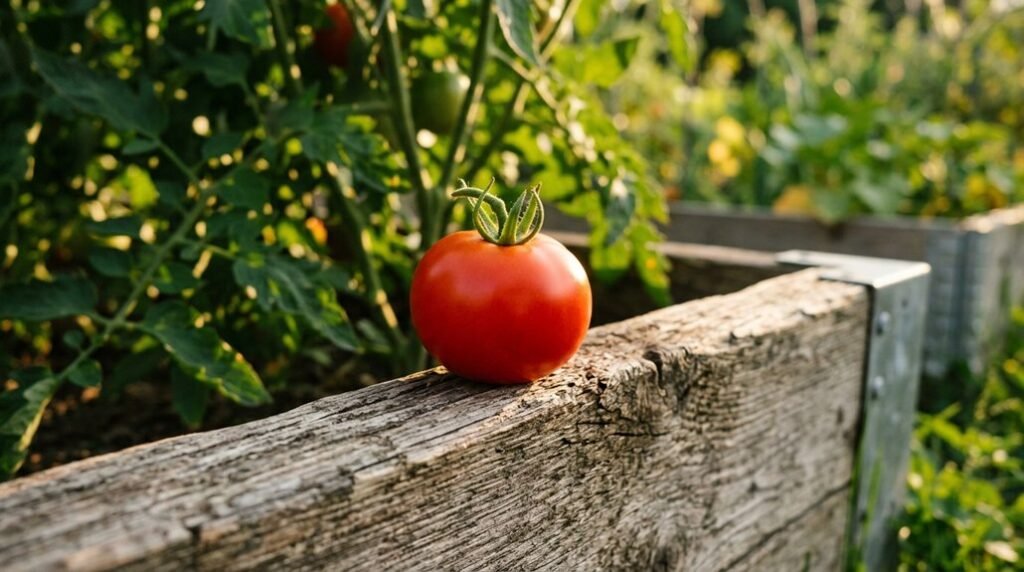
Why do your tomatoes develop those unsightly dark, sunken patches at their blossom ends? You’re witnessing blossom end rot, a physiological disorder rooted in insufficient calcium uptake by your developing fruit, not disease or pests. Even when you’ve ensured adequate calcium in soil, your plants may fail to transport it effectively.
Drought stress and inconsistent watering disrupt this critical movement, as fluctuating soil moisture hinders calcium’s journey to fruit tissues. You’re also sabotaging uptake when nitrogen levels run excessive, since rapid vegetative growth competes with fruit for available calcium. Cold, slow-to-warm soils compound these challenges, further restricting absorption. High soil salts and extreme pH imbalances create additional barriers. Understanding these interconnected factors empowers you to diagnose and address this common, preventable disorder in your tomato patch.
Recommended Products
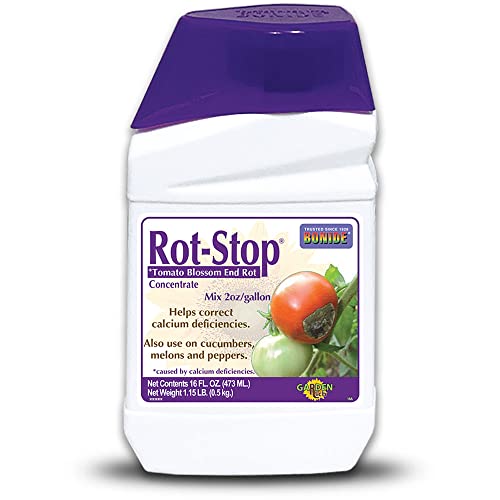
CORRECTS CALCIUM DEFICIENCY - Our garden fertilizer is used to control blossom end rot on tomatoes by adding calcium to the plant.

CORRECTS CALCIUM DEFICIENCY - Our garden fertilizer is used to control blossom end rot on tomatoes by adding calcium to the plant.
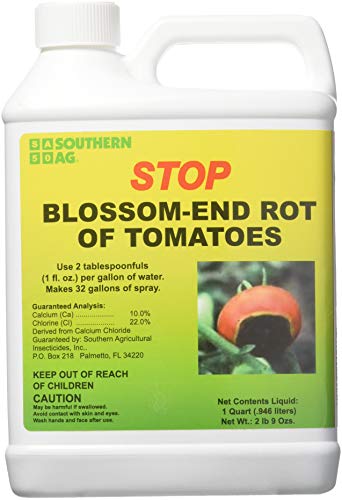
Prevents tomatoes rot due to Calcium deficiency
Water Deeply and Consistently to Prevent Rot
You’ve seen how calcium uptake failures sabotage your tomato harvest, and now you’re ready to take direct control of the single most influential factor in your hands: water management. You will water deeply and consistently to keep soil moisture even, preventing the rapid shifts that hinder calcium transport to developing fruit. Aim for 1 to 1.5 inches of water per week during fruiting climate conditions, increasing during hot, dry spells to avoid drought stress. Choose deep watering over frequent light sprinklings; this practice maintains consistent moisture and reduces blossom end rot risk. You’ll conserve soil moisture and stabilize levels by applying mulch around your plants, supporting steady calcium uptake. If you’re growing in containers, water more frequently, as rapid drying causes moisture fluctuations that contribute to BER.
Recommended Products

PREMIUM QUALITY INGREDIENTS – Cz Garden Calcium Nitrate 15.5-0-0 is a water soluble, high purity, premium Nitrogen + Calcium fertilizer designed to boost the healthy development of all your indoor flowers, lawn, and garden vegetables.

Supports Strong Growth & Plant Structure – Helps encourage sturdy growth and balanced plant performance.
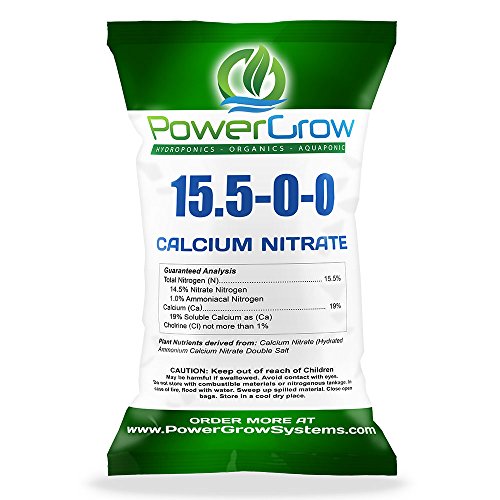
Agricultural Grade Fertilizer - Calcium Nitrate 15.5-0-0 NPK
Start With a Soil Test (Do This Months Ahead)
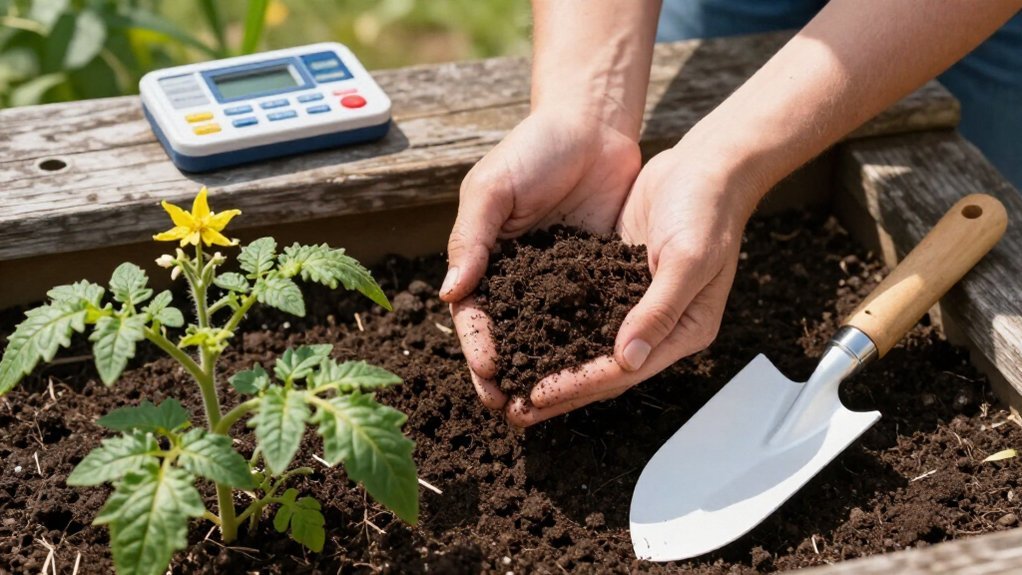
How will you know whether your soil can actually deliver calcium to your tomatoes when they need it most? You won’t, not without a soil test conducted months before planting season arrives.
Your soil test reveals calcium levels and pH, which must sit between 6.2 and 6.8 for optimal nutrient availability, with 6.5 as your target. When results show deficiencies, you’ll amend with lime to raise pH and add calcium, or apply gypsum if pH already measures adequate. Test results guide your fertilizer selections, helping you avoid ammonium-heavy products that block calcium uptake. You’ll also learn how much organic matter to incorporate, improving moisture retention through compost and mulch.
- A trowel scraping dark earth into a labeled bag, bound for the county extension office
- A printed chart showing calcium levels in red, yellow, and green zones
- Pelleted lime spreading across moist spring soil like coarse sand
- Gypsum dissolving into warm water, cloudy and white, before you pour
- Wood chip mulch settling around young stems, holding moisture through July heat
Plan this calcium foundation now, since foliar sprays cannot rescue fruits once blossom end rot appears.
Recommended Products

Kindly NOTE: This soil tester can not be applied to test pH value of any other liquid. If the soil is too dry the indicator will not move, and water it before testing.

Accurate Soil pH Testing: Dewildetradingco Soil pH Test Strips offer measurements of soil pH levels (pH 3.5-9). As an essential tool for every gardener and grower, these test strips help determine the optimal pH for various plants, such as outdoor plants, indoor plants, gardens, grass lawns, fruit trees, flowers, vegetables, and forest shrubs.

Quick, at home results for Soil pH, Nitrogen, Phosphorous and Potash Innovative and inexpensive soil test kit features an easy-to-use capsule system and patented color comparators
Hold Off on Nitrogen Once Fruits Start Forming
Where nitrogen flows, calcium often follows, and that’s exactly the problem you’ll face once your tomato plants set fruit. Excess nitrogen during early fruiting promotes vegetative growth that robs calcium from developing fruit, increasing blossom end rot risk. You’ll want to avoid high-nitrogen fertilizer once flowers appear.
Lowering nitrogen levels helps ensure more soil calcium partitions to the fruit as it forms. Switch to balanced, slow-release fertilizers, or choose phosphorus-rich, calcium-containing options during fruit formation. Monitor your tomato plants for rapid foliage growth, which exacerbates calcium uptake problems during fruit set. Hold back on nitrogen-heavy feeding, and you’ll give your developing tomatoes the calcium they need to avoid blossom end rot.
Recommended Products

Accurate Soil Moisture Detection: The XLUX Soil Moisture Meter can tell you if the soil deep inside your pot or garden is dry, moist or wet; whereas your eyes and fingers can only determine the moisture level of the soil surface. The probe is 5.5 inches (14 cm) longer than regular styles, allowing it to measure the soil moisture at the bottom of larger and deeper flower pots.
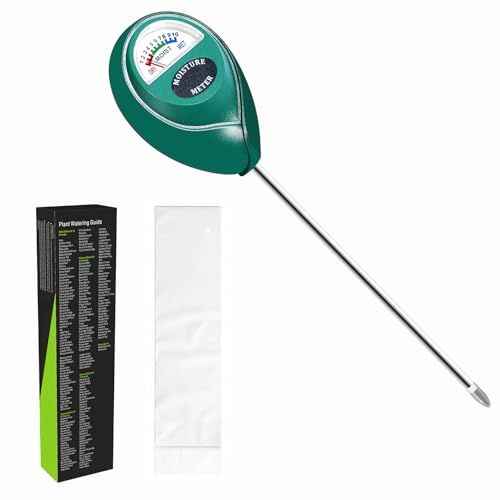
Trusted Since 2015: Become one of the many plant lovers who rely on the proven accuracy of XLUX. Established in 2015, our soil moisture meter has earned over 60,000+ verified ratings for its consistent performance. While many many newer brands come and go, we provide the long-term reliability and quality that American households have trusted for over a decade.

【4 in 1 function】This is a 4-in-1 multifunctional soil tester.Our soil tester fastly to measure soil moisture, pH, temperature and sunlight to help you take better care of flowers and plants.You can know when you need to water your soil by measuring moisture and pH & Temperature value of the soil and sunlight level of plants with it.
Pick Off Rotting Fruit and Fix Your Watering Now
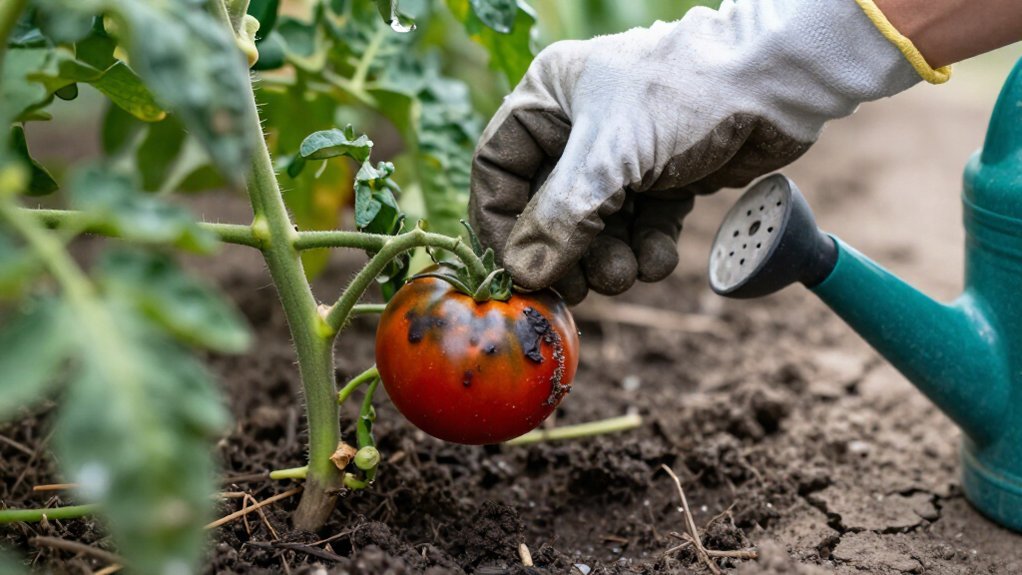
Once you’ve adjusted your nitrogen management, your attention must turn to the fruit already forming on your vines and the watering habits that will carry your plants through harvest. You must act quickly when you spot blossom end rot. Remove every affected tomato immediately, because damaged fruit drains energy from healthy developing ones. Do not waste money on foliar calcium sprays, for they cannot replace proper calcium uptake through roots.
Your watering practices determine whether calcium reaches developing fruit. You need consistent watering to maintain steady soil moisture, neither bone-dry nor waterlogged. Aim for about one inch of water weekly, adjusting for rainfall and temperature, so tomato plants avoid drought stress that blocks calcium transport.
- Dark, sunken lesions marring green tomatoes like bruised thumbs
- Cracked soil pulling away from stems under hot sun
- Water pooling in saucers beneath wilting leaves
- Morning dew beading on firm, unmarked fruit
- Thick, spreading root mats drinking evenly from damp earth
Fix your watering now to prevent rot from claiming your harvest.
Recommended Products

Balanced 5-10-10 Fertilizer Formula – 5-10-10 fertilizer delivers essential nutrients with higher phosphorus and potassium to support plant development.

PREMIUM QUALITY INGREDIENTS – Cz Garden 5-10-10 is all-purpose fertilizer for all indoor/outdoor flowers, lawn, and garden vegetables.

Balanced 5-10-10 Fertilizer Formula – 5-10-10 fertilizer delivers essential nutrients with higher phosphorus and potassium to support plant development.