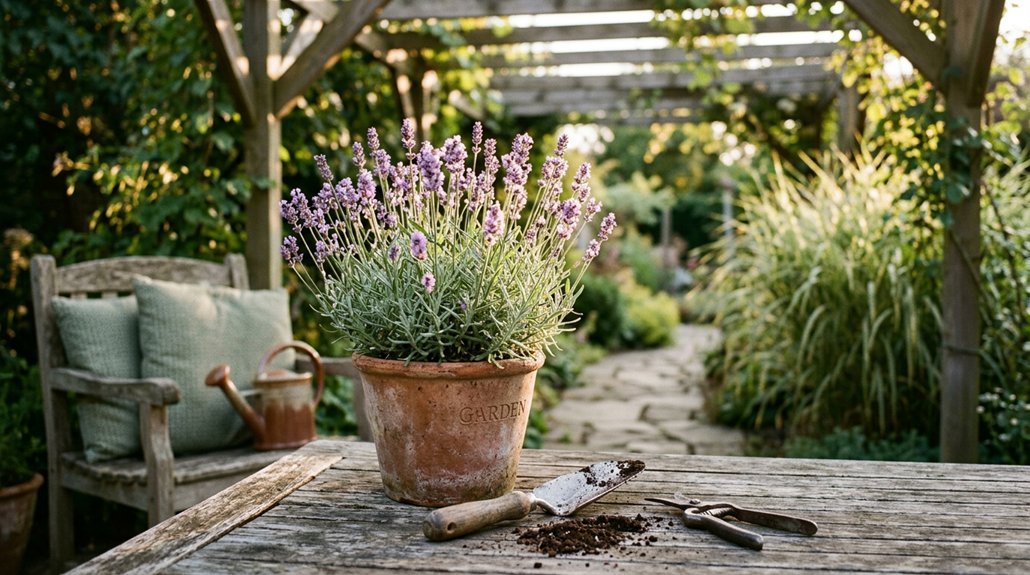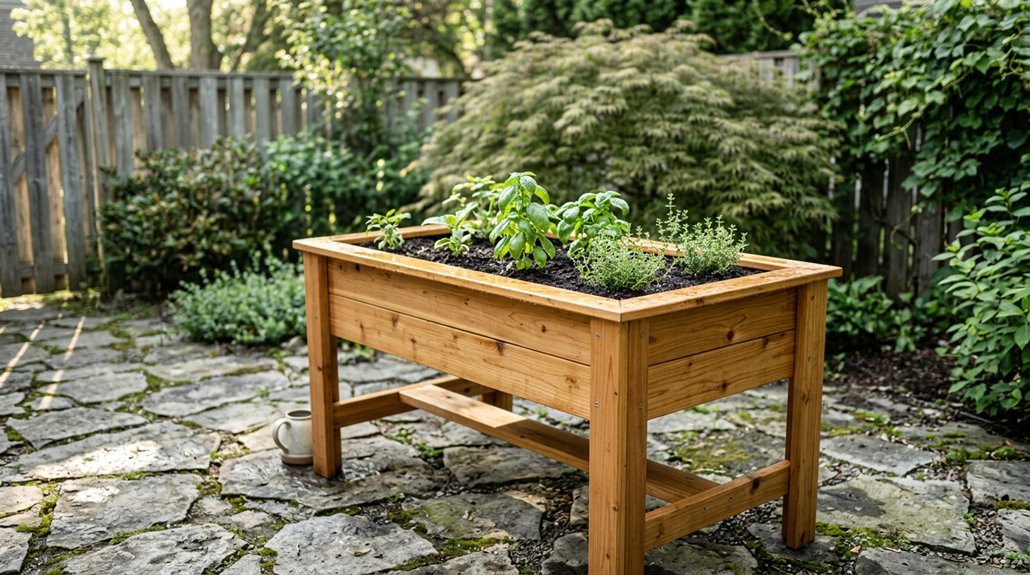

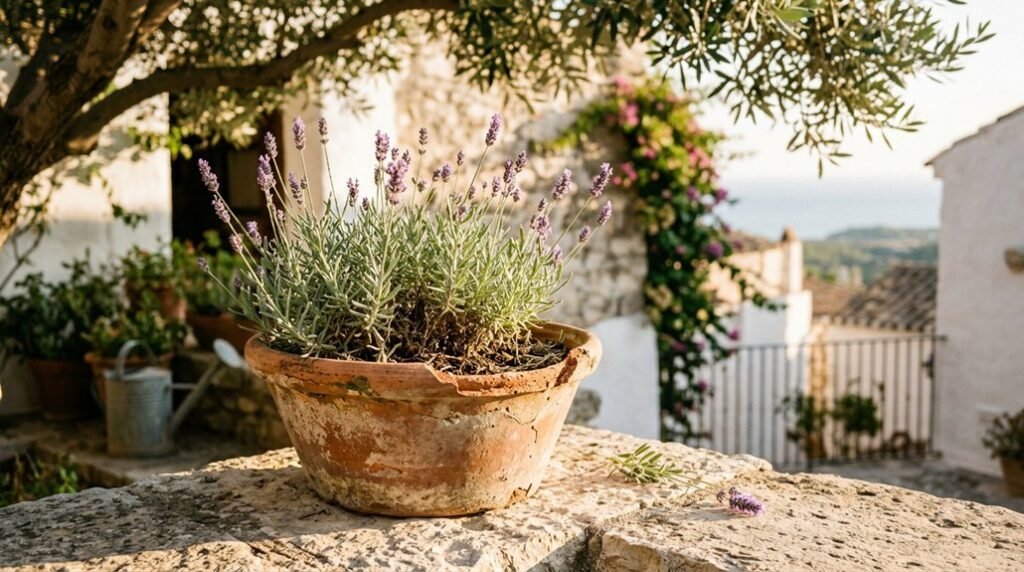


You will design a Mediterranean garden that thrives through 2026’s intensifying summers by selecting plants with proven resilience in zones 8–11. Your foundation rests upon deep-rooted species: ‘Hidcote’ and ‘Munstead’ lavenders, ‘Arbequina’ olives, and upright rosemary tolerate 6–8 hours of direct sun while requiring water only every 7–10 days once established.
You will layer Cistus × purpureus and feijoa beneath larger specimens, mulch heavily with coarse organic material, and terrace your beds to ensure drainage.
The question remains: which ten plants deserve your limited space when every selection must endure heat, drought, and unpredictable rainfall patterns?
Olive Ceramic Planter, Italian Mediterranean Flower Pot for Indoor Plants

ELEGANT DESIGN: These ceramic planters for indoor plants feature a timeless look that complements any décor, making them perfect flower pots for indoor plants. VERSATILE...
Are you drawn to the sun-baked elegance of coastal Italy but working with limited outdoor space? You’ll find your solution in the Olive Ceramic Planter by Xiaan Jiaju, a 6.3-inch olive green vessel that brings Mediterranean authenticity directly into your home.
This Italian Mediterranean flower pot delivers timeless design that complements any décor while serving as a functional home for your indoor garden. You’ll appreciate its premium ceramic construction, which ensures durability and long-lasting sophistication for your collection.
The planter’s versatile functionality accommodates succulents, ferns, and various houseplants, giving you flexibility in your plant selection. Your plants will thrive thanks to the thoughtful drainage hole, which prevents overwatering and promotes healthy root development.
Whether you’re enhancing your living room, office, or kitchen, this piece doubles as a decorative accent with genuine vintage appeal. For those seeking distinctive décor combined with practical indoor gardening, you’ve found an ideal match.
Best For: Plant lovers and vintage décor enthusiasts seeking a compact, authentic Mediterranean-style planter that brings coastal Italian elegance to small indoor spaces like apartments, offices, or kitchens.
Pros:
- Elegant Italian Mediterranean design with timeless olive green aesthetic that complements any interior décor
- Thoughtful drainage hole prevents overwatering and promotes healthy root growth for thriving plants
- Premium ceramic construction ensures durability and long-lasting sophistication
Cons:
- Limited to 6.3-inch size, which may restrict plant selection and growth for larger houseplants
- Olive green color may not suit all color schemes or personal style preferences
- Ceramic material is fragile and prone to chipping or breaking if dropped or mishandled
Recommended Products

PREMIUM DROUGHT TOLERANT WILDFLOWER MIX: A carefully curated blend of hardy wildflowers selected to thrive in hot, dry, and low-water conditions. Suitable for xeriscaping, water-wise gardens, low-water landscapes, and challenging growing environments across the continental USA

EXTRA LARGE PACKET contains over 1 full ounce of pure live seeds (7,500+ seeds) - Enough to cover 100 square feet.

Water-Wise Plants for Mediterranean Gardens

You’ll find your ideal plant selections here if you’re designing gardens where summer drought defines the growing season, where rainfall arrives in brief winter bursts and parched soil demands species evolved for survival without supplemental irrigation.
Crowood Press’s 2026 hardcover, *Water-Wise Plants for Mediterranean Gardens*, delivers exactly what you need: 272 pages of scientifically grounded recommendations for USDA zones 8 through 10.
You’ll discover specific cultivars like *Lavandula x intermedia* ‘Grosso’, which withstands 100°F temperatures with minimal irrigation once established, and *Cistus x purpureus*, thriving on 12 to 20 inches of winter rainfall alone. The guide instructs you on soil amendment ratios, spacing plants at 24 to 36 inches for air circulation, and timing your irrigation in early morning hours.
You’ll implement efficient techniques: drip systems delivering one gallon per hour directly to root zones, mulch layers three inches deep reducing evaporation by 70 percent. Whether you’re a home gardener or professional designer, you’ll translate climate constraints into resilient, water-conserving landscapes without sacrificing visual impact.
Best For: Gardeners and landscape designers in USDA zones 8-10 seeking scientifically grounded, practical guidance for creating visually striking, water-conserving gardens in Mediterranean climates with summer drought and winter rainfall patterns.
Pros:
- Provides specific, research-backed plant cultivars with documented heat tolerance and minimal water requirements
- Includes precise, actionable technical details on irrigation systems, soil amendments, and spacing for optimal plant survival
- Offers comprehensive 272-page coverage combining horticultural science with hands-on implementation strategies
Cons:
- Limited relevance for gardeners outside Mediterranean climate zones or USDA zones 8-10
- Hardcover format may be less portable or accessible than digital alternatives for field use
- Publication date of 2026 means content is not yet available for immediate reference
Recommended Products
Seeds Per Pack - 100
Food Forest Plants for Mediterranean Conditions (350+ Perennials)

Who needs a comprehensive plant list when you’re building a Mediterranean food forest? You do, and Plants For A Future delivers exactly that in their 2025 Kindle eBook, “Food Forest Plants for Mediterranean Conditions,” which catalogs 350+ perennial species across 398 pages of meticulously researched guidance.
You’ll find this digital resource indispensable as you design resilient, water-efficient food forests for USDA zones 9-11, where summer drought and mild, wet winters demand carefully selected edibles. The compendium emphasizes drought-tolerant perennials: think feijoa, pineapple guava, and carob, which establish deep root systems, tolerate 20 inches of annual rainfall, and produce reliable harvests with minimal irrigation.
You can integrate these plants using permaculture principles, stacking canopy, understory, and ground cover layers to maximize productivity while reducing water demand by 60-70% compared to conventional annual vegetable gardens. The eBook provides specific cultivation notes, including spacing requirements, companion planting combinations, and seasonal maintenance schedules tailored to Mediterranean conditions.
Whether you’re converting a suburban lot or expanding an established permaculture site, you’ll reference this guide repeatedly as you select species for your particular microclimate, soil type, and desired yield profile.
Best For: Permaculture practitioners, sustainability-minded gardeners, and food forest designers working in Mediterranean climates (USDA zones 9-11) who need a comprehensive, research-backed reference for selecting 350+ drought-tolerant perennial edibles.
Pros:
- Comprehensive catalog of 350+ perennial species specifically vetted for low-water Mediterranean conditions, reducing trial-and-error plant selection
- Detailed cultivation guidance including spacing, companion planting, and seasonal maintenance schedules tailored to summer-dry, mild-winter climates
- Permaculture-focused approach demonstrates how to stack canopy, understory, and ground cover layers to achieve 60-70% water reduction versus conventional annual gardens
Cons:
- Digital-only Kindle format may limit accessibility for gardeners who prefer physical reference books in outdoor settings
- Narrow geographic focus on Mediterranean climates (USDA zones 9-11) makes it less useful for gardeners in significantly different climate zones
- Publication date of August 2025 indicates this is a future or recently released title, so long-term user reviews and proven field reliability may be limited
Recommended Products

Aromatic Evergreen: These rosemary fresh seeds deliver rich fragrance and vigorous growth, offering quality perennial rosemary. Ideal for USDA zones 5–10 in gardens or containers.
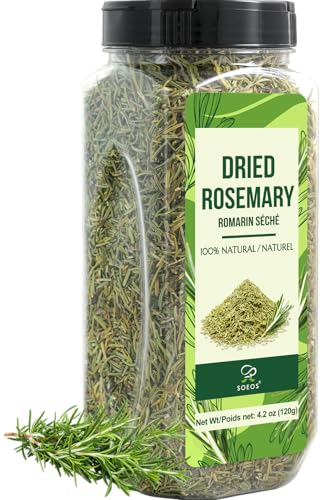
Premium Quality Rosemary: Sourced from high-quality rosemary plants, carefully dried to preserve its natural aroma and flavor.

VERSATILE AROMATHERAPY OIL: Diffuse our Organic Rosemary 1,8-Cineole to create a stimulating and uplifting atmosphere in your home. It is widely used in massage blends in combination with black pepper organic to relieve muscle pain and arthritis. Add it to your favorite DIY shampoo products or carrier oils to boost hair growth or use it as a scalp treatment. A maximum of a 1% dilution is recommended for head and face.
Mediterranean Vegetables

This digital resource emphasizes water-wise practices you’ll implement immediately: drip irrigation set to deliver 1 inch weekly, mulching with straw or shredded bark to retain soil moisture, and timing plantings to avoid peak summer stress.
You’ll cultivate tomatoes, eggplant, peppers, zucchini, and leafy greens that thrive in hot, dry summers with cool, wet winters, matching the 417-page reference’s regional culinary traditions.
Start seedlings indoors 8 weeks before your last frost date, typically March for USDA zones 8b-10a, then transplant into raised beds amended with compost.
Select determinate tomato varieties like ‘Roma’ for concentrated harvests, and space plants 24 inches apart in full sun. You’ll harvest continuously from June through October by succession planting bush beans every three weeks. You’ll preserve peak flavor by picking peppers when they’ve fully colored.
Best For: Home gardeners in warm, arid climates (USDA zones 8b-10a) seeking to grow Mediterranean vegetables using water-efficient techniques and succession planting strategies.
Pros:
- Provides specific, actionable irrigation and mulching techniques for water conservation in hot, dry summers
- Includes detailed timing guidance for seed starting, transplanting, and succession planting across a long growing season
- Matches regional growing conditions with appropriate vegetable varieties and culinary traditions
Cons:
- Geographic focus limited to Mediterranean-type climates (zones 8b-10a), reducing relevance for gardeners in other regions
- Requires access to indoor seed-starting space and equipment 8 weeks before last frost
- Demands consistent attention to succession planting schedules and harvest timing for optimal results
Recommended Products

Gourmet Home Gardening: Cultivate a taste of the Mediterranean in your own backyard with the Arbequina Olive Tree. This exquisite variety is renowned for its high-quality olives, perfect for homemade olive oil and culinary creations. Elevate your cooking experience with the authentic flavors of freshly harvested olives, right from your garden.

The Olive Arbequinal plant produces an abundant harvest of flavorful olives, perfect for curing or pressing into high-quality olive oil.

EASY ASSEMBLY:Features quick, wobble-free assembly: simply twist to lock branches onto the pre-assembled trunk. Arrives fixed in a white pot (approx. 4.7”H x 5.9”W) nestled inside a soft cotton woven basket (approx. 10”H x 9.5”W). The textured cotton adds natural warmth and style, bringing lasting Mediterranean charm to your space.
Dry Climate Gardening: Beautiful, Sustainable Low-Water Gardens

Are you designing a garden where summer drought is the norm rather than the exception? *Dry Climate Gardening: Beautiful, Sustainable Low-Water Gardens*, published by Cool Springs Press in March 2023, offers exactly the systematic framework you need for selecting, planting, and maintaining resilient Mediterranean-style plantings across 208 pages of illustrated instruction.
You’ll master plant selection for USDA zones 8 through 11, learning to match olive cultivars like ‘Arbequina’ and ‘Koroneiki’ to your specific microclimate. The book guides you through water-efficient irrigation, including drip systems delivering 1-2 gallons per hour at root zones, and soil management techniques that build organic matter to 5% for maximum water retention.
Your seasonal planning becomes precise: you plant in fall when soil temperatures drop below 70°F, establish deep watering schedules of 10-15 minutes twice weekly for new plantings, then reduce to monthly deep soaks once roots reach 18 inches. Drought-tolerant design principles show you how to group plants by water needs, creating hydrozones that eliminate waste.
Maintenance practices emphasize observation over intervention: you monitor for early stress indicators, apply 2-3 inches of gravel mulch to reduce evaporation by 50%, and time pruning to minimize transplant shock. The paperback format lets you carry this 208-page reference into the garden, where you’ll apply actionable strategies for environmentally responsible growing that transforms your dry climate challenge into sustainable beauty.
Best For: Home gardeners and landscape designers in USDA zones 8-11 seeking a practical, portable guide to creating beautiful, water-efficient gardens in drought-prone climates.
Pros:
- Provides specific, actionable techniques including precise irrigation rates, soil organic matter targets, and seasonal planting schedules
- Covers comprehensive topics from plant selection and hydrozone design to maintenance practices with quantified benefits like 50% evaporation reduction
- 208-page paperback format is designed for practical field use in the garden
Cons:
- Geographic focus limited to USDA zones 8-11, excluding gardeners in colder or wetter climates
- Emphasizes Mediterranean-style plantings, which may not suit all aesthetic preferences or regional native plant goals
- Published in 2023, so may not reflect the most recent developments in drought-tolerant cultivars or irrigation technology
Recommended Products

Durable adorable planter that will melt your heart. A must have addition to your plant family.

Ceramic Plant Pot: The ceramic pot is high temperature fired stoneware which are durable and lightweight that convenient for you to use

Package Includes: You will get 5 small different shaped ceramic planters (plants not included).
Bonnie Plants Rosemary Live Herb Plant (4-Pack)

Tiny, strongly aromatic & flavorful leaves, blue blooms Garden use: Herb garden, flower border, containers, low clipped hedge Culinary use: Italian & Mediterranean dishes,...
You’ll find the Bonnie Plants Rosemary Live Herb Plant (4-Pack) delivers exceptional value if you’re building a kitchen-ready Mediterranean landscape without waiting for seeds. This 4P5090 model from Bonnie Plants gives you established, garden-ready specimens measuring 19.3 ounces each, so you’ll skip the germination uncertainty and move straight to cultivation.
You’re planting *Rosmarinus officinalis*, a perennial in USDA zones 8–10 with tiny, strongly aromatic green leaves and blue blooms that serve multiple functions. You can deploy these plants in herb gardens, flower borders, containers, or as low clipped hedges, depending on your spatial needs and design vision.
You’ll achieve best yields by siting your rosemary in full sun and planting during spring or fall. The intensely flavored foliage suits Italian and Mediterranean cooking, grilling, infused vinegars and oils, and artisan breads, so you’ll harvest continuously from a plant that thrives under xeric conditions.
Best For: Home cooks and gardeners in USDA zones 8–10 who want immediate, established rosemary plants for Mediterranean cooking, container gardening, or low-maintenance edible landscaping without starting from seed.
Pros:
- Garden-ready established plants eliminate germination time and uncertainty
- Versatile for multiple uses: herb gardens, borders, containers, or low hedges
- Perennial in warm climates provides continuous harvest of aromatic foliage for cooking
Cons:
- Limited to perennial growth only in USDA zones 8–10; requires replacement or winter protection elsewhere
- 19.3 oz size per plant may be smaller than some gardeners expect for “established” specimens
- Restricted planting windows (spring and fall only) for optimal establishment
Recommended Products

READY TO PLANT: Includes 6 Blue Fox Tail Agave live starter plants (Agave attenuata 'Boutin Blue') in 2.5-inch nursery cubes, fully rooted and ready for your containers, borders, or landscape. Also known as Nova Agave, Blue Boy Agave, and Tree Agave.
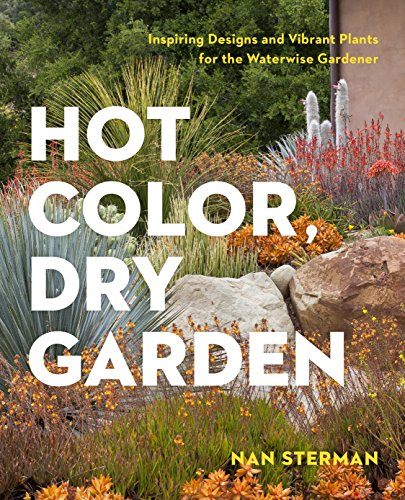
Mediterranean Gardens

Why consider a Mediterranean garden? You’ll create a climate-resilient landscape that thrives in hot, dry summers with mild, wet winters, matching conditions found in USDA zones 8 through 11.
You can’t overlook foundational resources when planning your space. Mediterranean Gardens, published by Flammarion in 2006, gives you 176 pages of expert guidance in a durable hardcover edition. You will reference this black first-edition volume repeatedly as you select plants and arrange your layout.
You should study its design principles before purchasing any specimens. The book covers essential themes: drought tolerance, silver foliage adaptation, drainage requirements, and seasonal interest. You will learn why gravel mulches outperform bark, how terracing controls erosion, and which native substitutes replace thirsty lawns.
You apply these concepts by grouping plants with matching water needs, spacing them according to mature spread, and amending heavy soils with coarse sand. You monitor establishment for two full seasons before reducing irrigation.
Your Mediterranean garden rewards patience with year-round structure, pollinator support, and minimal maintenance once established.
Best For: Gardeners in USDA zones 8-11 seeking expert guidance on creating climate-resilient, drought-tolerant landscapes with Mediterranean design principles.
Pros:
- Comprehensive 176-page hardcover reference covering essential topics like drought tolerance, drainage, and seasonal interest
- Durable black hardcover first edition built for repeated use during plant selection and layout planning
- Practical, actionable guidance on techniques including gravel mulches, terracing, and soil amendment
Cons:
- Published in 2006, so some plant recommendations or climate data may be outdated
- Hardcover format lacks portability for field use compared to paperback or digital alternatives
Lemon Ceramic Planter, Italian Mediterranean Flower Pot for Indoor Plants

ELEGANT DESIGN: These ceramic planters for indoor plants feature a timeless look that complements any décor, making them perfect flower pots for indoor plants. VERSATILE...
Who needs a planter that bridges old-world craftsmanship with modern indoor gardening? You’ll find exactly that in the Lemon Ceramic Planter by Xiaan Jiaju, a 6.3-inch Italian Mediterranean flower pot that brings timeless elegance to your living room, office, or kitchen.
This versatile vessel accommodates succulents, ferns, and various houseplants with equal grace. Its built-in drainage hole prevents overwatering, promoting healthy root development for your indoor greenery.
Crafted from durable, premium materials, this planter withstands years of use while maintaining its sophisticated appearance. The vintage-inspired lemon finish complements any décor style, making it an ideal gift for plant enthusiasts who appreciate both aesthetics and function. You’re investing in lasting quality that elevates your indoor gardening experience.
Best For: Plant enthusiasts and vintage décor lovers who want an elegant, compact Italian Mediterranean-style ceramic pot that combines aesthetic appeal with proper drainage for healthy indoor greenery.
Pros:
- Built-in drainage hole promotes healthy root growth and prevents overwatering
- Durable premium ceramic construction ensures long-lasting use and sophistication
- Versatile 6.3-inch size accommodates succulents, ferns, and various houseplants
Cons:
- Specific lemon color may not match all décor preferences
- Limited to indoor use only
- Single size option (6.3 inches) restricts use for larger plants
Recommended Products

Beautiful - Full color packet of culinary herb Rosemary (Salvia rosmarinus). Mediterranean herb with fragrant needles that are a favorite in the kitchen. Delicious addition to meats, vegetables, and baked goods. Needles retain much of their flavor when dried. An attractive woody perennial in zones 8-10. This carefully selected variety can be grown indoors or outdoors. Minimun of 100 mg per seed (about 60 seeds).

Premium Air-Dried Rosemary: Premium Dried Rosemary Leaves carefully air-dried to preserve natural color, texture, and shape, perfect for candle making, soap making supplies, and dried herbs projects where an authentic, rustic botanical look truly matters

【The package includes 18 bundles artificial plants】They are lifelike and unique, which looks so natural, fresh and layered. They seem like the fresh plants which just picked from forest in a beautiful morning. Ideal for outdoor, indoor, front porch, window box, pot, flower bed, hanging basket, planter decor.
Mediterranean Plant-Based Cookbook: 100+ Wholesome Dishes

What distinguishes a Mediterranean garden designed for 2026 from earlier approaches is its deliberate integration of edible landscaping with climate-resilient species. This cookbook serves as your practical companion for transforming homegrown harvests into nourishing meals.
You’ll find 142 pages of practical guidance in *Mediterranean Plant-Based Cookbook: From Olive Grove to Table*, published in 2023 by Garden of Grapes. It translates your olive, fig, and tomato yields into 100+ wholesome dishes with clear visual references.
The paperback format suits kitchen use, and you can reference it while processing your harvest. Each recipe emphasizes plant-based Mediterranean traditions, moving from raw ingredients through preparation stages with measured precision. You don’t need professional training. The instructions accommodate tenth-grade comprehension while maintaining culinary integrity.
When you plant Arbequina olives in USDA zones 8-10, harvest at 3-4 years, and press or cure them, this guide shows subsequent applications. Your climate-adapted garden, featuring drought-tolerant cultivars like ‘Roma’ tomatoes and ‘Genovese’ basil, generates ingredients that align with the book’s seasonal organization. You cultivate, you harvest, you prepare, following the olive grove to table progression that defines this culinary approach.
Best For: Home growers in warm climates who want to transform their olive, fig, and tomato harvests into plant-based Mediterranean meals using straightforward, visually-guided recipes.
Pros:
- Visual references and clear instructions accessible to cooks without professional training
- Seasonal organization aligns with homegrown harvest cycles from edible landscapes
- Durable paperback format designed for practical kitchen use during food preparation
Cons:
- Geographic limitations with focus on USDA zones 8-10 and drought-tolerant species may exclude growers in cooler or wetter climates
- Narrow ingredient scope centered on Mediterranean crops doesn’t accommodate diverse garden harvests
- Published in 2023 with 142 pages may lack emerging 2026 climate-resilient cultivar recommendations
Recommended Products

Arbequinas are popular because of their flavor, but they also have a high concentration of healthy, antioxidant-rich oils. You can get up to 20 pounds of olives each year to enjoy in your salads and add to your favorite recipes

✅ Planter Included - Our olive tree comes with a 10.25nch White Planter ,save extra purchase of planter.The artificial Olive tree is pre-assembled in a sturdy plastic planter for easy placement and care.

✅ Planter Included - Our olive tree comes with a 9.45 inch White Planter ,save extra purchase of planter.The artificial Olive tree is pre-assembled in a sturdy plastic planter for easy placement and care.
Sun-Drenched Gardens: The Mediterranean Style

Used Book in Good Condition
You’ll find this resource particularly valuable if you’re working across USDA zones 8 through 10, where lavender cultivars like ‘Hidcote’ and ‘Munstead’, olive varieties such as ‘Arbequina’ and ‘Mission’, and structural rosemary specimens demand specific siting considerations that the book illustrates through extensive photographic sequences.
Abrams Books released this 176-page hardcover in 2002, and you’ll appreciate its second printing status as an indication of enduring relevance. Harry N. Abrams manufactured the volume, which delivers rich imagery alongside practical garden concepts without overwhelming you with technical jargon. You’ll study landscape styling through visual reference rather than dense prose, making concepts immediately accessible.
The 2002 publication date means you’ll supplement this foundation with contemporary climate data, yet core principles of Mediterranean design remain unchanged. You’re learning to balance sun exposure, drainage, and structural plant placement through photographic sequences that demonstrate successful executions across varying site conditions.
Best For: Gardeners in USDA zones 8-10 seeking visual guidance on Mediterranean landscape design featuring lavender, olive, and rosemary cultivation.
Pros:
- Rich photographic sequences demonstrate successful plant siting and structural placement across varying conditions
- Accessible, jargon-free presentation makes design concepts immediately understandable
- Second printing status indicates enduring relevance of core Mediterranean design principles
Cons:
- 2002 publication date requires supplementation with contemporary climate data
- Limited technical depth may leave advanced gardeners wanting more detailed specifications
- Narrow geographic focus excludes gardeners outside Mediterranean-compatible climates
Recommended Products

Size 6.8" (Desktop Friendly): Medium ceramic plant pot (diameter 6.8", height 5.3") designed for peace lily, pothos, spider plant, ZZ plant, or small snake plant. This 6.8-inch pot fits perfectly on desks, shelves, or windowsills—an ideal choice among flower pots for indoor plants

Perfect Size: Approximate dimensions of 8 inches wide by 8 inches tall, ideal for medium-sized plants or as a decorative centerpiece.
ELEGANT DESIGN: These ceramic planters for indoor plants feature a timeless look that complements any décor, making them perfect flower pots for indoor plants.
Factors to Consider When Choosing Plants for a Mediterranean Garden
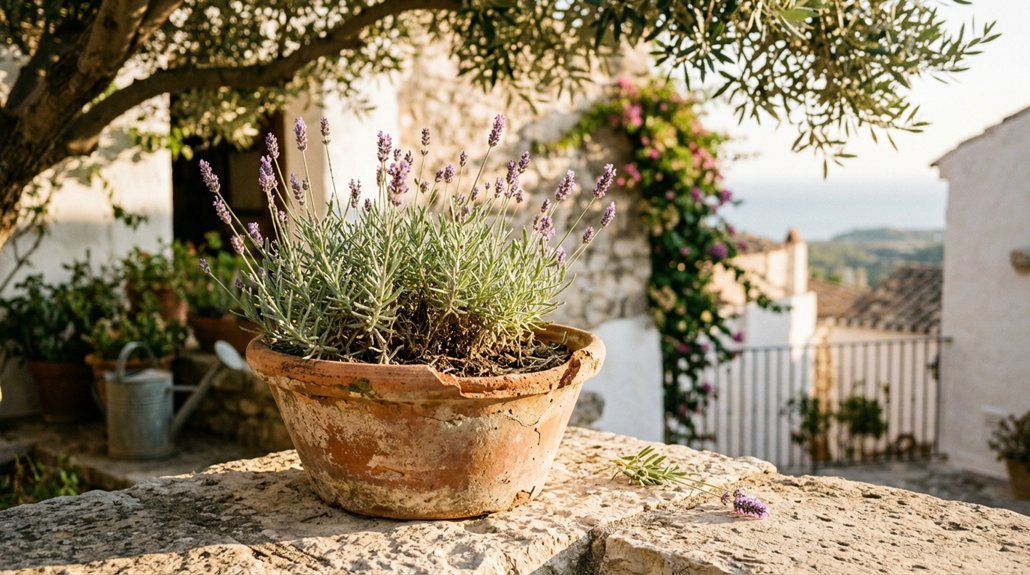
Before you select any plants for your Mediterranean garden, you’ll need to evaluate your specific climate zone, typically USDA zones 8 through 11 for authentic Mediterranean conditions, while also testing your soil’s drainage capacity since these plants demand sandy, gravelly substrates that prevent root rot.
You’re balancing multiple practical constraints: water efficiency requirements that favor drought-tolerant species like lavender ‘Hidcote’ or cistus, full sun exposure needs of six to eight hours daily, and spatial planning that accounts for mature heights ranging from twelve-inch groundcovers to fifteen-foot shrubs.
Climate Zone Analysis
Because Mediterranean gardens demand plants that align with specific environmental pressures, you’ll need to evaluate your site’s climate zone with precision before selecting any species. You’ll identify your specific USDA hardiness zone, typically ranging from 8b to 11 for Mediterranean regions, and cross-reference this with your local frost dates and extreme temperature records.
You’ll examine your microclimate’s specific conditions: summer highs exceeding 85°F, winter lows potentially dipping below freezing, and annual rainfall concentrated between November and March. You’ll select plants rated for your zone’s minimum temperatures, adding 5-10°F buffer for exposed sites. You’ll prioritize drought-tolerant species like lavender, rosemary, and cistus that thrive with 15-20 inches of winter rainfall and summer irrigation restricted to deep, infrequent soakings.
Soil Composition Priority
Once you’ve mapped your climate zone and microclimate conditions, your attention should turn to what’s beneath your feet, since Mediterranean gardening success depends heavily on soil characteristics that differ markedly from moisture-retentive garden loams.
You’ll find that Mediterranean soils typically drain quickly and are often sandy or rocky, so selecting plants that tolerate or prefer well-drained conditions is essential. Aim for slightly acidic to neutral pH, around 6.0–7.5, which supports many Mediterranean herbs and drought-tolerant perennials, influencing your plant compatibility decisions.
Low organic matter in these soils means you’ll want drought-tolerant species that establish efficiently with limited fertility. Consider soil salinity and mineral content, too, opting for species adapted to saline or mineral-rich soils to improve establishment and health.
You can enhance soil structure by incorporating organic mulch and progressively improving drainage, which supports deeper root systems for water-efficient plants.
Water Usage Efficiency
How can you guarantee your Mediterranean garden thrives without draining local water reserves or your utility budget? You start by selecting Mediterranean-adapted species with proven drought tolerance, such as Lavandula angustifolia ‘Hidcote’ or Rosmarinus officinalis ‘Arp’, which thrive in USDA zones 7-9 with minimal supplemental irrigation. You prioritize plants with deep, efficient root systems, like Cistus x purpureus, which extracts moisture from lower soil horizons, reducing evaporation losses by 30-40% compared to shallow-rooted alternatives.
You group plants into hydrozones, placing high-water specimens near downspouts and xeric species, including Salvia officinalis ‘Berggarten’, in exposed areas. You apply 2-3 inches of organic mulch annually, incorporating compost to improve soil water retention by 25%.
You favor native perennials and regionally adapted shrubs, which establish faster and require 50% less irrigation than non-adapted exotics after their first growing season.
Sun Exposure Assessment
You’ve mapped out your hydrozones and locked in your irrigation strategy, but now you need to read your site’s solar signature before you sink any roots. Most Mediterranean species demand 6–8 hours of direct sun daily, so you’ll want to match your plant palette to each zone’s exposure.
In partial shade areas receiving 3–6 hours, select shade-tolerant perennials and drought-tolerant understory plants to prevent leggy, weak growth.
For very hot, reflective sites, plant near light-colored, low-reflectance soil and provide afternoon shade to reduce heat stress on even sun-loving species. Morning sun with afternoon shade benefits a wider range of plants, promoting balanced growth while reducing leaf scorch.
Study your site’s orientation and microclimates carefully. South- or west-facing walls, rock walls, and terraces create distinct thermal zones that determine which drought-tolerant species will thrive.
Plant Height Spacing
Why should plant height dictate your spacing decisions? In Mediterranean gardens, taller specimens placed toward the back or center, with shorter groundcovers at the edges, maintain airflow and reduce disease. You’ll want to space plants at roughly 1.5 to 2.5 times their mature height, preventing crowding once they reach full size.
Drought-tolerant perennials and shrubs, such as Lavandula x intermedia ‘Grosso’ and Cistus x purpureus, enable staggered vertical layering. This arrangement reduces competition for scarce water, a critical consideration in USDA zones 8 through 10.
When planning hedges or screens, leave 2 to 3 feet beyond each tall plant’s mature width, allowing for gradual height increases without overcrowding.
For architectural focal points, place your tallest specimens at 6 to 10 foot intervals. This preserves balance, clear sightlines, and essential access paths throughout your garden.
Seasonal Bloom Planning
Once you’ve mapped out heights and spacing across your beds, you’ll want to layer in color that carries through the Mediterranean growing season, which stretches from early spring’s first warmth into the dry, golden days of late autumn.
Choose plants with staggered bloom times, prioritizing drought-tolerant, sun-loving species like lavender, low-water salvias, and native Californian buckwheats that shrug off summer heat after mild, wet winters. Group complementary flowering periods so peaks don’t collide, avoiding irrigation surges between May and September.
Seek repeat-flowering cultivars such as Rosa ‘Flower Carpet’, Gaura ‘Whirling Butterflies’, or Coreopsis verticillata ‘Moonbeam’, which deliver weeks of continuous display rather than single explosive flushes. Match each selection to your site’s drainage, sun exposure, and wind patterns, because stressed plants drop buds prematurely.
These layered choices reward you with unbroken color without taxing limited water budgets, keeping your garden vibrant through October’s last warm afternoons.