
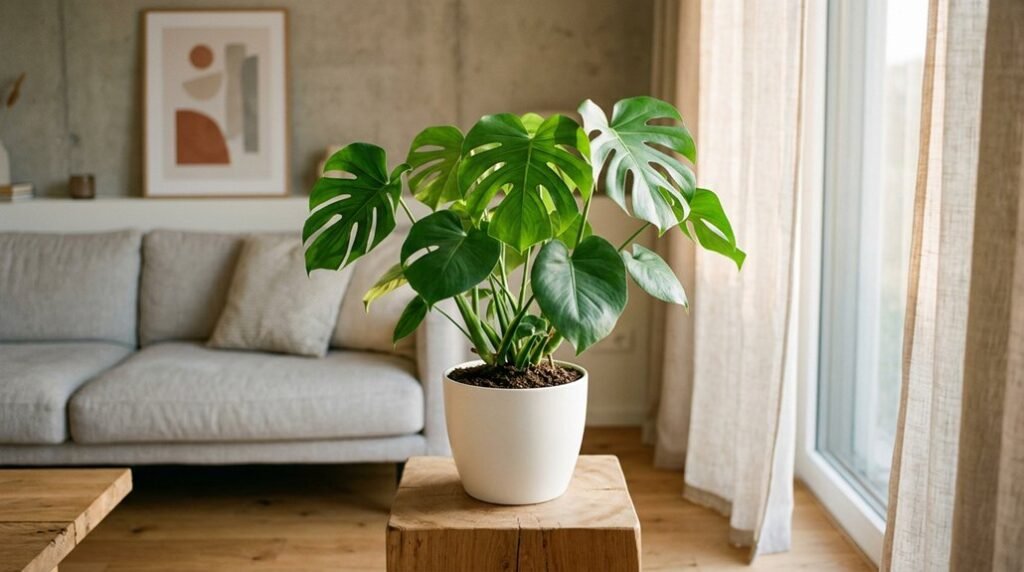


You might assume fungus gnats arrive from open windows, yet research from the University of California Integrated Pest Management program confirms that 90% of indoor infestations originate from contaminated potting soil, nursery stock, or your own watering can. These Sciaridae flies, measuring just 2-4 millimeters, complete their entire 3-4 week life cycle within the top inch of consistently moist substrate, where females deposit 100-300 eggs in organic matter exceeding 60% moisture content. Your Pothos ‘Golden’ or Fiddle Leaf Fig in USDA Zone 10-11 conditions indoors becomes vulnerable when you maintain soil above field capacity, creating anaerobic pockets that larvae exploit while feeding on fine root hairs. Warm rooms between 72-75°F accelerate generational turnover, meaning a single overlooked gnat can establish hundreds of offspring within a month. The solution requires precise cultural adjustment: allowing the upper 2 inches of soil to dry completely between waterings, applying Bacillus thuringiensis israelensis at 1 teaspoon per gallon weekly, and quarantining new acquisitions for 14 days minimum. You’ll need to inspect drainage holes for larval presence, replace peat-heavy mixes with bark-based alternatives, and monitor sticky traps to confirm population collapse before reintroducing plants to shared spaces.
What Fungus Gnats Are and How They Differ From Fruit Flies
Why do those tiny flies keep hovering around your houseplants when you haven’t left any fruit out? You’re likely dealing with fungus gnats, tiny dark gray flies measuring about 1/8 inch that feed on fungi and organic matter in moist potting soil, not fruit or decaying leaves. Unlike fruit flies, which you’re probably more familiar with, these pests prefer constant moisture and organic-rich media, making your overwatered houseplants an ideal habitat.
You can distinguish fungus gnats by their behavior and habitat. While adults don’t bite humans, they lay eggs in the top layer of damp soil, and their larvae feed on roots and decaying material, potentially harming plant health. Overwatering creates perfect conditions for their complete life cycle, from eggs to larvae to pupae. You might detect adults with yellow sticky traps, but remember that larvae in the soil can indicate infestation even when you don’t see flying adults.
Recommended Products

[Catches Gnats, Fruit Flies, Whiteflies And More] Yellow sticky traps with top-grade adhesive grab fungus gnats, aphids, fruit flies, thrips, and whiteflies on contact from both faces. Place each card at soil level near drainage holes for fastest results. Works for indoor plants and outdoor gardens.

[Easy to Use] 1. Either insert the trap into the soil with the little shovel, or hang it up with a string 2. Then peel off both sides of the white cover on the trap to prevent sticky hands.

More lasting: the gnat killer are waterproof. And the fruit fly trap with a very strong adhesive. No need to replace the sticky fruit fly trap until fully covered with sticky traps.
How to Spot the Early Signs of Fungus Gnats in Houseplants
Now that you understand what fungus gnats are and how they differ from fruit flies, you’ll want to catch these pests before they establish a full-blown infestation in your collection. You should watch for tiny dark gray flies, approximately 1/8 inch long, hovering near your plants’ surfaces or crawling across moist soil. These adults indicate you’ve likely been overwatering, creating the damp conditions that support their life cycle.
You’ll spot the earliest warning signs by examining the top inch of soil in your pots, particularly on new or recently repotted plants using organic mixes high in peat. Look for thin, translucent larvae wiggling through that layer, feeding on fungi and organic matter. Since these larvae persist in prolonged damp conditions, you’ll need to act quickly once you detect them, ensuring you don’t allow repeated overwatering that enables reinfestation even after initial control attempts.
Recommended Products

Control Houseplant Insects - Sticky Stakes effectively attract and trap aphids, white flies, fruits flies, fungus gnats, and other insects that hide in houseplants

Control Houseplant Insects - Sticky Stakes effectively attract and trap aphids, white flies, fruits flies, fungus gnats, and other insects that hide in houseplants
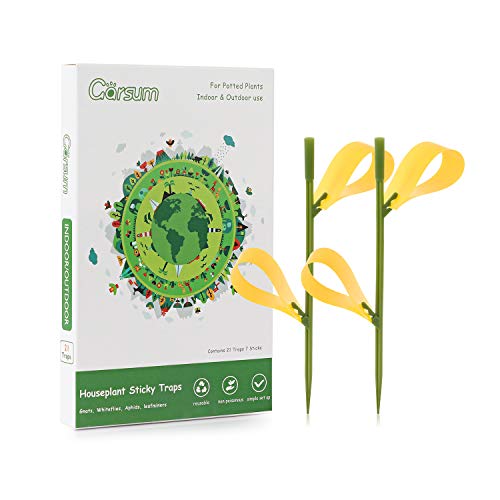
Based on physical principles: The Sticky Pest Trap is a bright yellow tape coated with a super sticky adhesive. Designed to attract and hold any insect pest that lands on it. Includes flying and crawling pests.
Why Wet Soil Breeds Fungus Gnats and Damages Roots
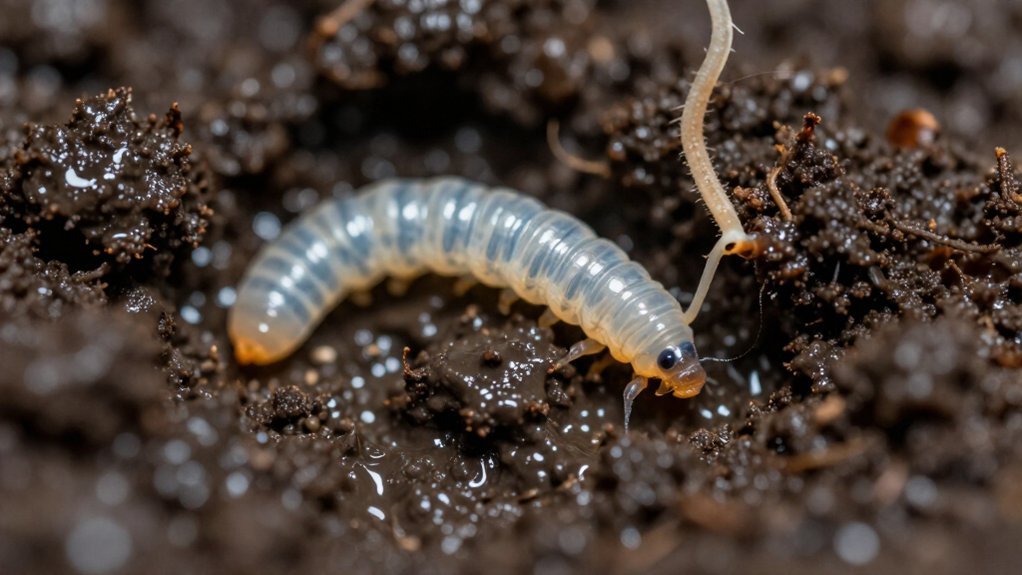
When you keep your plant’s soil persistently wet, you’re sending an open invitation to adult fungus gnats searching for ideal egg-laying sites, since these pests require consistent moisture at the surface to deposit their tiny, oval eggs in clusters of 100 to 150 at a time. Your overwatering habits don’t just attract the adults, they also set the stage for serious root damage, because once those eggs hatch within 4 to 6 days, the legless larvae immediately begin feeding on fine root hairs, algae, fungi, and decaying organic matter contained within the top 2 to 3 inches of your potting mix. You’ll notice the compounding damage when stunted growth, yellowing leaves, or sudden wilting appears, particularly in sensitive species like Pilea peperomioides, African violets, or young seedlings whose shallow root systems sit directly in that moisture-rich zone where larvae concentrate their feeding activity.
Recommended Products

Premium Ingredients: Contains 80-90% fine Canadian sphagnum peat moss, complemented by top-quality fine horticultural perlite and vermiculite. Enhanced with calcitic and dolomitic limestone to stabilize pH and a wetting agent for uniform water distribution.
MOISTURE RETENTION: Miracle-Gro Sphagnum Peat Moss for plants retains moisture and nutrients, and helps promote strong root development

READY TO USE MIXTURE - The same formulation as used by professional growers
Moisture Attracts Egg-Laying Adults
Because fungus gnats require consistently damp conditions to complete their life cycle, your watering habits directly determine whether these pests establish themselves in your indoor garden. You create ideal conditions for egg-laying when you maintain moisture at the soil surface, particularly in containers with inadequate drainage. Overwatering leaves a persistent wet layer where adults deposit eggs, and poor drainage compounds this problem by preventing proper drying between waterings.
You can interrupt this cycle by allowing the top inch of soil to dry completely before watering again. Consider applying mosquito-dunk BTI treatments to reduce egg-laying activity in problematic pots. Remember that gnats travel between nearby containers through shared damp potting media, so you must address moisture management across your entire indoor garden rather than treating individual plants in isolation.
Larvae Feed On Roots
Once adults find your damp soil and deposit their eggs, you’re facing a second, more destructive phase of the infestation. Fungus gnats larvae emerge within four to six days, and they immediately begin feeding on your plant roots, fungi, and decaying organic matter suspended in moist soil. This direct consumption damages root tissues, compromising your plant’s ability to absorb water and nutrients.
Wet, consistently moist soil provides the ideal habitat for larvae to thrive and multiply. Overwatering and poor drainage sustain this moisture, allowing the gnat life cycle to progress from egg to larva to pupae without interruption. Organic mixes high in peat or decaying matter support abundant fungal growth, which fuels larval nutrition and extends their development period.
Surface moisture that fails to dry between waterings increases the likelihood that larvae will reach and damage roots, causing visible plant stress including yellowing leaves and stunted growth in susceptible specimens like Pothos (USDA zones 10-12) and African violets.
How New Plants and Soil Introduce Fungus Gnat Eggs
Where do fungus gnats actually come from? You bring them home yourself, often without knowing it. New plants and potting soil serve as the most common vehicles for eggs and larvae entering your indoor garden.
When you purchase a plant from a nursery or repot with fresh soil, you’re potentially importing hundreds of eggs. Consider these sources:
- New plants from garden centers carry soil that may harbor developing larvae beneath the surface
- Bags of potting soil can contain eggs from warehouse storage or retail shelf conditions
- Shipping containers and retail displays allow gnats to move between plants before you ever make your purchase
You might also transport eggs on clothing or pets moving between moist pots. Even one female can establish a colony in your damp soil, making vigilance during every new plant introduction essential for prevention.
Recommended Products

Attractive Color: Gnat sticky traps specially designed for flying plant pests that like yellow color and easily trap them

More lasting: the fungus gnat killer are uv resistant and waterproof. And the fruit fly trap with a very strong adhesive. No need to replace the sticky fruit fly trap until fully covered with sticky traps.

Fruit fly traps for indoor: bright color attract flying insects, and glue keeps them from escaping. Specially designed for flying plant pests. yellow sticky traps for plant gnats is great for plant, especially potted plants.
Why Warm Rooms and Poor Drainage Speed Up Infestations
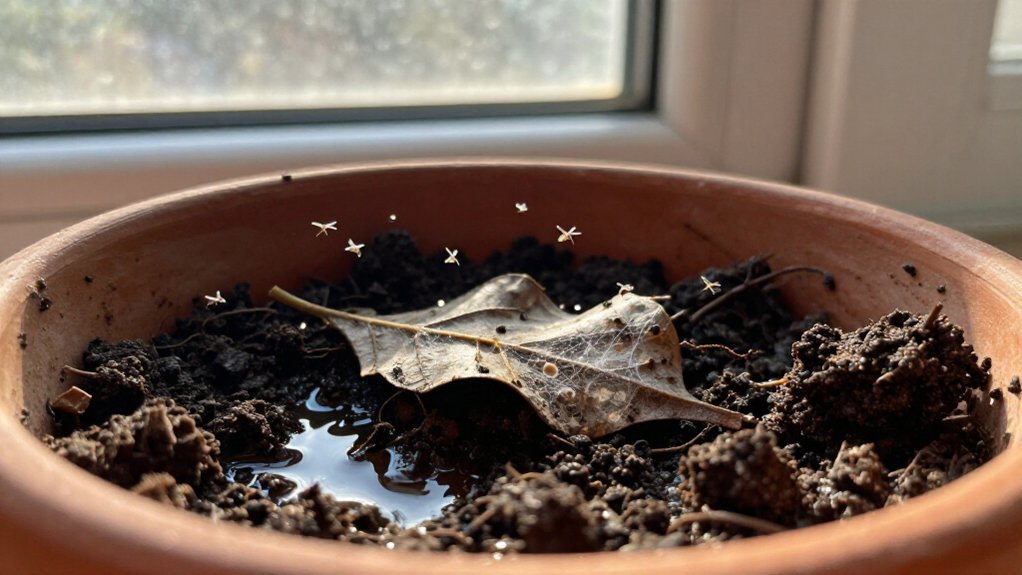
You’ve brought home a plant with hidden eggs, but that alone doesn’t guarantee an outbreak. Your indoor warmth accelerates everything, cutting the gnat life cycle from weeks to mere days as eggs hatch faster and larvae mature rapidly in temperatures between 70-75°F.
Poor drainage destroys your moisture balance, trapping water in dense, peat-heavy mixes that stay wet for seven to ten days. When you overwater or use containers without adequate holes, you create sustained dampness where larvae feast on fungi and organic matter. This saturated topsoil becomes prime real estate for egg-laying adults.
Without intervention, you’re watching population explosions unfold. Compacted soil, saucers holding standing water, and heavy potting media compound the problem. You must recognize that warmth plus waterlogged conditions transform minor egg presence into full-blown infestation, making drainage and moisture balance your critical control points.
Recommended Products
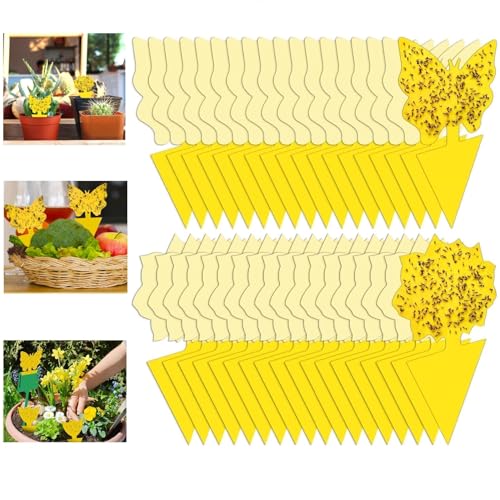
Yellow sticky traps for plant gnats: our fruit fly trap for indoor have bright color to attract flying insects, and fungus gnats trap high quality glue keeps them from escaping. Plant sticky traps specially designed for flying plant pests. Houseplant insect control great for outdoor or indoor plant, especially potted plants
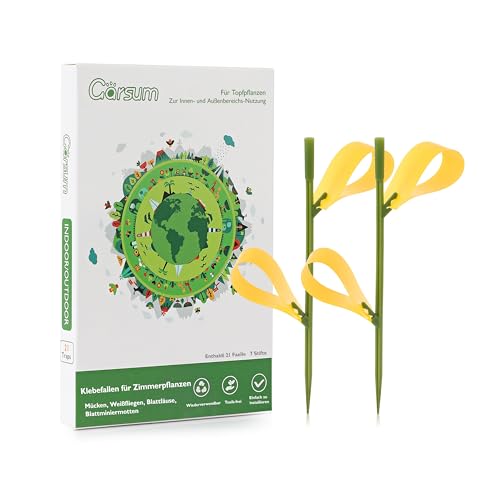
Based on physical principles: The Sticky Pest Trap is a bright yellow tape coated with a super sticky adhesive. Designed to attract and hold any insect pest that lands on it. Includes flying and crawling pests.
Based on physical principles: The Sticky Pest Trap is a bright yellow tape coated with a super sticky adhesive. Designed to attract and hold any insect pest that lands on it. Includes flying and crawling pests.
How to Kill Fungus Gnat Larvae With BTI and Dry Soil
Because you’ve already addressed the conditions that let fungus gnats thrive, you’re now positioned to strike at the larvae themselves with precision rather than guesswork. BTI, or *Bacillus thuringiensis israelensis*, offers you a biological weapon that specifically targets fungus gnat larvae without harming your plants.
BTI delivers precision biological control: a targeted weapon against fungus gnat larvae that protects your plants while eliminating the root of the infestation.
You’ll steep four tablespoons of Mosquito Bits in one gallon of water for several hours, strain the liquid, and water directly into the root zone. This interrupts larval feeding, causing starvation within days. Pair this treatment with dry soil practices: allow the top two inches to become completely arid between waterings, which collapses the moist habitat larvae require.
- Apply BTI solution across multiple watering events spanning eight weeks
- Maintain dry soil conditions consistently to suppress reproduction
- Combine with yellow sticky traps to monitor adult populations
Since BTI won’t penetrate eggs or pupae, you’re committing to repeated applications that catch each new generation of fungus gnat larvae as they emerge.
Recommended Products

Material: Kapecute 3 quart brand new packaged carnivorous plant soil mix consists of crushed peat moss and perlite individually packaged in separate packages and is 100% natural with no additives. The peat moss chips have excellent water retention capacity and hold the moisture needed in the soil, while the perlite
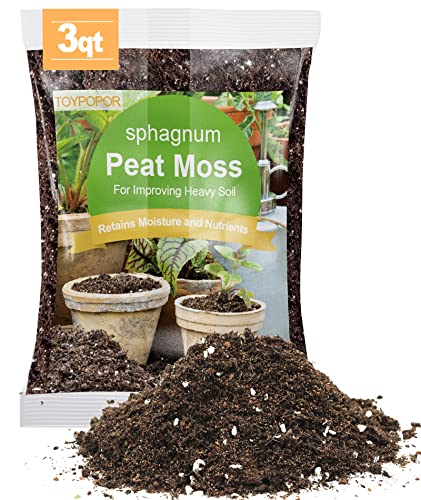
Top Quality Soil: Ensures healthy growth of your plants with this premium sphagnum peat moss, perfect for bonsai, succulents, cactus, and indoor houseplants
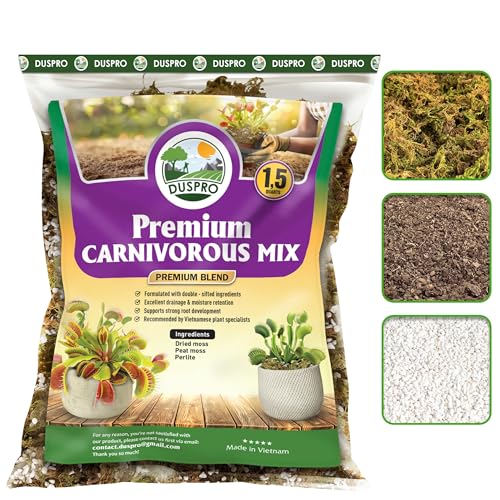
Moss-Based, Pre-Mixed & Ready To Use: If you are preparing a new home for your carnivorous plants or seeking moss, perlite and peat moss for potted plants, our Venus flytrap soil is designed with a moss-based texture and comes pre-mixed for easy repotting. We provide a balanced blend of dried moss, perlite and peat moss, so there is no need to purchase, measure or mix the ingredients separately.
How to Inspect and Quarantine Plants to Prevent Recurrence
With BTI treatments underway and dry soil protocols established, your attention now turns to the invisible pathways that allow fungus gnats to reclaim territory you’ve fought to reclaim. You must inspect every new acquisition before it enters your collection, examining soil surfaces and drainage holes for telltale larvae or flying adults.
Place suspicious plants in quarantine for fourteen days, positioning yellow sticky traps to monitor adult emergence. During this period, you’ll assess whether overwatering habits or inadequate drainage in the original pot created favorable conditions for stowaway eggs. Check that pots feature multiple drainage holes and that saucers empty completely after irrigation.
Once cleared, integrate plants gradually, maintaining three feet of separation from moisture-loving specimens. You’ll prevent reinfestation by treating quarantine as non-negotiable protocol, not optional precaution.
Recommended Products

[Multi-Pest Defense] Non-toxic yellow sticky traps capture fungus gnats, fruit flies, whiteflies, aphids, and leafminers. Safe around indoor houseplants, herb gardens, vegetable beds, and fruit trees. 100pcs covers up to 50 pots simultaneously.

Ultra Sticky & Fast Acting: Bright yellow color attracts fruit flies and fungus gnats instantly, while extra-strong adhesive locks insects in place without dripping or drying out. Two Shapes: Sunflower, Butterfly

【Non-toxic and Odorless】Our double-sided sticky sheets are made of environmentally friendly materials and coated with a safe, odorless, non-toxic adhesive that does not contain any chemicals, which is not only harmless to humans and pets, but also effectively controls pests and breaks their breeding cycle.