
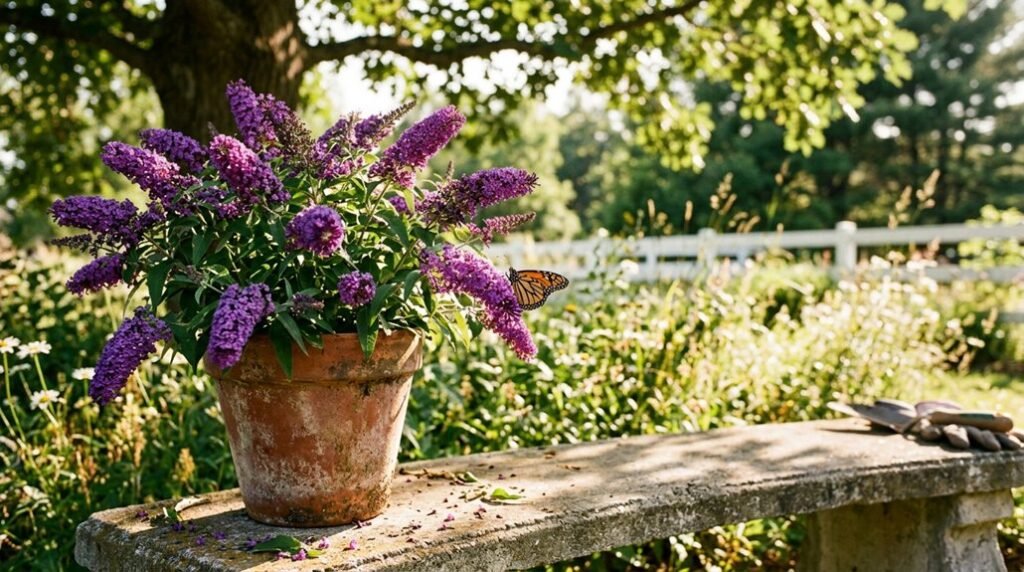


You want a thriving butterfly garden in 2026, and you’ll need to start with the right foundation. Purple Coneflower (Echinacea purpurea) thrives in zones 3-9, reaches 24-36 inches, and blooms June through August. Pair it with Asclepias tuberosa, which demands full sun and dry soil for monarch caterpillars.
You’ll stagger bloom times by planting early-season Coreopsis against late-season Asters, ensuring nectar flows from May through September across your region. Your soil must drain well, so amend clay with two inches of compost before setting plants 18 inches apart.
Swamp Milkweed (Asclepias incarnata) tolerates wetter conditions in zones 3-6, while drought-tolerant Buddleia davidii ‘Black Knight’ reaches six feet in zones 5-9. You’ll deadhead spent Lantana flowers weekly to prolong blooming, and you’ll never spray pesticides, which kill the very larvae you’re cultivating.
Consider: which of these ten will anchor your first bed, and how will you sequence their blooms for maximum impact?
Hummingbird Butterfly Wildflower Mix – 7,500 Seeds

LARGE 1 OUNCE PACKET: Embark on a wildflower journey with our generous 1 ounce packet, bursting with over 7,500 pure live seeds! Transform 100 square feet into a vibrant...
If you’re starting a pollinator garden and want measurable results without guesswork, the FAMILY SOWN Hummingbird Butterfly Mix gives you 7,500 pure live seeds in one ounce, enough to transform roughly 100 square feet into a working habitat. You’ll attract hummingbirds and butterflies with nectar-rich blooms that persist throughout the growing season, establishing borders or dedicated wildflower zones with minimal expertise required.
The premium blend delivers high germination rates and vibrant color displays, converting each planted seed into visible ecological impact. The packaging includes clear planting instructions and a reusable zipper pouch maintaining seed freshness, though specific USDA hardiness zones aren’t stated on the product.
You’ll appreciate the 30-day growth guarantee, with direct customer assistance available if germination fails. Sow in prepared soil after final frost, water consistently during establishment, and thin seedlings to prevent overcrowding. This mix suits gardeners prioritizing measurable outcomes, specific seed counts, and tangible habitat creation over aesthetic experimentation.
Best For: Gardeners starting a pollinator garden who want measurable results, specific seed counts, and tangible habitat creation without guesswork.
Pros:
- Contains 7,500 pure live seeds in one ounce, covering approximately 100 square feet with nectar-rich blooms that attract hummingbirds and butterflies throughout the growing season.
- Premium blend with high germination rates and vibrant color displays, backed by a 30-day growth guarantee with direct customer assistance if germination fails.
- Giftable packaging includes clear planting instructions and a reusable zipper pouch to maintain seed freshness.
Cons:
- Specific USDA hardiness zones are not stated on the product packaging.
- Requires prepared soil, consistent watering during establishment, and thinning of seedlings to prevent overcrowding.
- May not suit gardeners prioritizing aesthetic experimentation over measurable ecological outcomes.
Recommended Products

High Germination Performance: Echinacea seeds for planting show strong, reliable sprouting in 3–4 weeks when soil stays moist. Ideal garden seeds for USDA zones 4–9 gardens and outdoor flower beds.

Flowers - Purple Coneflower (Echinacea purpurea) produces a cone like center that displays purple colored petals facing downward. The plants will return yearly since they are a perennial flowering plant.

VIBRANT PURPLE CONEFLOWER BLOOMS: These Echinacea purpurea seeds produce stunning pink and purple flowers, adding bold color and texture to garden beds, borders, and prairie plantings. Ideal for creating eye-catching native displays.
Premium Monarch Butterfly Wildflower Seeds Mix (2oz)

POLLINATOR PARADISE: Over 20000 wildflower seeds create thriving habitats for monarchs, bees and hummingbirds; Perfect blend of milkweed seeds for monarch butterflies and...
You’re seeking a straightforward path to monarch conservation, and this 2-ounce seed mix delivers exactly that, blending horticultural rigor with genuine ecological impact. Inside this 20,000+ seed collection from HOME GROWN, you’ll find both Butterfly Milkweed (Asclepias tuberosa) and Common Milkweed (Asclepias syriaca), the only plants monarch caterpillars consume. These fourteen named species create staggered heights from 6 inches to 6 feet, ensuring season-long orange, purple, yellow, and white blooms spring through fall.
Nectar-rich perennials like Purple Coneflower (Echinacea purpurea), Smooth Blue Aster (Aster laevis), and Gayfeather (Liatris spicata) complete this diverse botanical community. You’ll broadcast these non-GMO seeds across small beds, expansive meadows, or dedicated pollinator patches in USDA zones 3-9. Rake lightly, water consistently, and watch germination occur within 7-14 days.
The mix thrives in full sun with minimal maintenance, tolerates drought once established, and returns year after year through self-seeding perennials and reliable annuals. Beyond monarchs, you’ll attract bees, hummingbirds, and beneficial insects like ladybugs that provide natural pest control. Transform your outdoor space into measurable biodiversity habitat with documented ecological function.
Best For: Home gardeners, conservation-minded individuals, and pollinator enthusiasts seeking an easy-to-grow, ecologically impactful seed mix to support monarch butterfly populations and create vibrant, low-maintenance habitats across USDA zones 3-9.
Pros:
- Includes essential host plants (Butterfly Milkweed and Common Milkweed) that monarch caterpillars require for survival, directly supporting conservation efforts
- Low-maintenance design with 7-14 day germination, drought tolerance once established, and perennial species that return year after year
- Attracts diverse pollinators and beneficial insects (bees, hummingbirds, ladybugs) that enhance garden biodiversity and provide natural pest control
Cons:
- Requires full sun exposure, making it unsuitable for shaded gardens or partially wooded areas
- Limited to USDA zones 3-9, excluding gardeners in extremely hot southern zones or tropical climates
- 2-ounce quantity may require supplemental purchases for covering large meadow areas over 1,000 square feet
Recommended Products
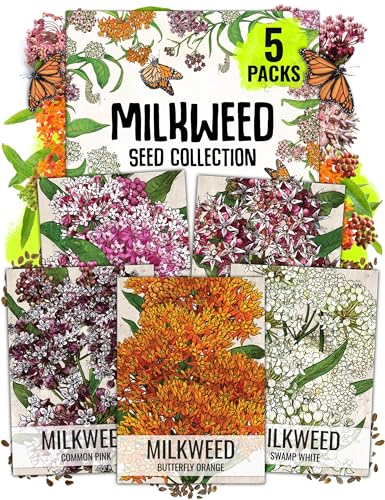
Pollinator Attraction: Milkweed flowers are known for attracting a variety of pollinators, including bees, butterflies, and hummingbirds. They produce a sweet nectar that is particularly enticing to monarch butterflies, which lay their eggs exclusively on milkweed plants.

Milkweed Butterfly - Monumental multi-tiered installation - an emerald mantle for neon-orange spheres of umbellate inflorescences. High-efficiency Premium Heirloom category seeds (USA): Non-GMO, Untreated, High germination rate. Architectural expressionism for sophisticated gardeners and perfectionists.

NATIVE POLLINATOR FLOWERS - Butterfly Milkweed plants (Asclepias tuberosa) produce vibrant orange blooms that help support monarch butterflies and beneficial pollinators
100 Plants to Feed the Monarch
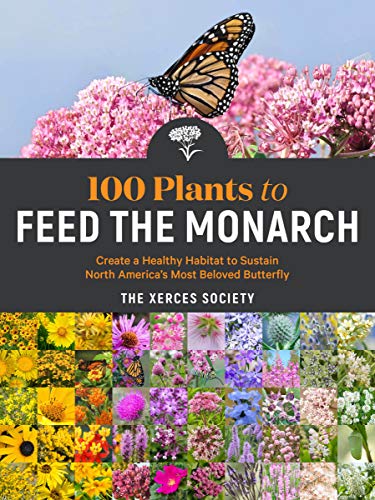
You’ll find practical guidance on selection, placement, and maintenance woven into every chapter. Visual references aid identification whether you’re planting Asclepias tuberosa in Zone 4 or establishing Swamp Milkweed in Zone 9. This 288-page illustrated handbook from Storey Publishing delivers exactly what its title promises: one hundred plant species specifically chosen to nourish and sustain North America’s monarch butterflies throughout their entire lifecycle.
You’ll appreciate how the book structures its coverage, moving beyond mere plant lists to address ecosystem considerations and habitat design principles that transform your garden into functional monarch territory. Each entry incorporates zone-specific advice, bloom periods measured in weeks, and maintenance schedules calibrated to seasonal demands.
Publisher Workman released this paperback edition in April 2021, targeting gardeners, naturalists, and conservation-minded readers who require concrete, actionable information. You’re receiving expert horticultural instruction without intimidating jargon, presented through compound-complex sentences that integrate Asclepias speciosa, A. syriaca, and A. incarnata alongside nectar-rich companions like Joe-Pye weed and blazing star.
Whether you’re restoring milkweed corridors in Texas or establishing waystations along migration routes through Minnesota, you’ll locate appropriate species indexed by growing conditions, mature dimensions ranging from 12 inches to 6 feet, and monarch utilization: larval host versus adult nectar source.
Best For: Gardeners, naturalists, and conservation-minded readers seeking concrete, actionable guidance on creating functional monarch butterfly habitat across diverse North American growing zones.
Pros:
- Structured beyond simple plant lists to address ecosystem considerations and habitat design principles for transforming gardens into functional monarch territory
- Zone-specific advice with bloom periods and seasonal maintenance schedules tailored to regional growing conditions
- Indexed organization by growing conditions, mature dimensions, and monarch utilization (larval host vs. adult nectar source) for practical species selection
Cons:
- 288-page paperback format may lack the field durability of spiral-bound or hardcover alternatives for outdoor reference use
- Published in 2021, potentially missing recent developments in milkweed cultivar research or shifting monarch population data
- Focused exclusively on monarch butterflies rather than broader pollinator habitat strategies that could serve multiple species simultaneously
Recommended Products

Milkweed seeds for monarch butterflies: Grow four U.S. native milkweed species for outdoor planting and pollinator habitat: narrow-leaved (Asclepias fascicularis), common (A. syriaca), showy (A. speciosa), and rose or swamp milkweed (A. incarnata).

Habitat: Swamp Milkweed thrives in wet environments like swamps, marshes, and along the edges of ponds, streams, or ditches. It's native to North America, particularly in the eastern and central regions.

Habitat and Appearance: Pink Swamp Milkweed, scientifically known as Asclepias incarnata, thrives in wetland areas like swamps, marshes, and along riverbanks. It features striking pink to mauve flowers that bloom in clusters, attracting a variety of pollinators.
Pollinator Garden Live Plant Collection (8 Perennials)

Plant Size Can Vary with Smaller Foliage Early in Season, but each plug is healthy and ready to plant. READY TO GROW, NOT SEEDS! – Skip the wait and plant 8 live perennial...
Who wants instant results without waiting for seeds to sprout? You’ll get exactly that with Bellawood Horticulture’s Pollinator Garden Live Plant Collection, featuring eight robust perennial plugs updated April 2025 for maximum size and root development. This ready-to-grow assortment eliminates the uncertainty of germination, delivering established plants you can set directly into your prepared beds.
Your collection includes two critical milkweed species for monarch conservation: Asclepias incarnata, Swamp Milkweed, and Asclepias tuberosa, the brilliant orange Butterfly Weed. You’ll also receive Purple Coneflower, Echinacea purpurea, and Black-Eyed Susan, Rudbeckia fulgida, creating a succession of nectar sources from late spring through frost.
Plant these in full sun with well-drained soil across USDA zones 3-9, spacing plugs 18-24 inches apart to allow for mature spread. Water thoroughly at installation, then reduce frequency; these selections demonstrate excellent drought tolerance once established.
You’ll appreciate their deer resistance and minimal maintenance requirements. Because these are true perennials, your initial planting investment returns annually, expanding into a self-sustaining pollinator habitat that attracts monarchs, native bees, and hummingbirds throughout the growing season.
Best For: Gardeners seeking instant pollinator habitat results without seed germination uncertainty, particularly those focused on monarch conservation and low-maintenance perennial landscapes.
Pros:
- Ready-to-grow established plugs eliminate germination wait time and uncertainty
- Includes two critical milkweed species essential for monarch butterfly conservation
- True perennials return annually, creating a self-sustaining pollinator habitat with minimal maintenance
Cons:
- Plant size varies seasonally, with smaller foliage early in the growing season
- Limited to full sun and well-drained soil conditions; not suitable for shade or wet areas
- Specific plug composition may not allow customization for individual garden color schemes or plant preferences
Recommended Products
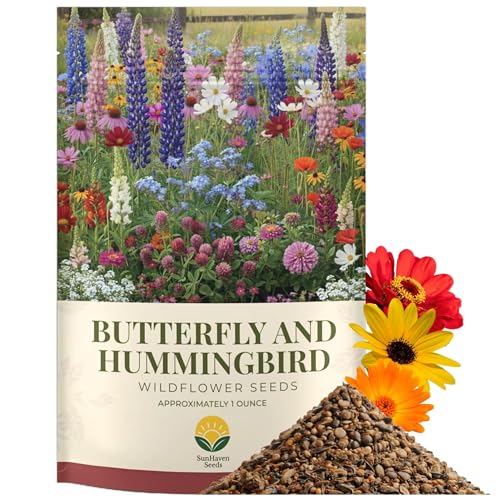
HIGH-NECTAR FLOWERS FOR BUTTERFLIES AND HUMMINGBIRDS: A focused Wildflower Blend crafted to attract butterflies, hummingbirds, and beneficial pollinators. Each variety is selected for strong nectar production, vibrant color, and reliable garden performance.
LARGE 1 OUNCE PACKET: Embark on a wildflower journey with our generous 1 ounce packet, bursting with over 7,500 pure live seeds! Transform 100 square feet into a vibrant haven for nature.

ASSORTED FLOWER MIX - Contains Annual Phlox, Eastern Columbine, Elegant Lupine, Four O'Clocks, Gayfeather, Giant Columbine, Lemon Mint, Perennial Lupine, Rocket Larkspur, Rocky Mountain Penstemon, Scarlet Sage, Spurred Snapdragon, Sweet William Pinks, Tussock Bellflower, Wild Petunia
SunHaven Butterfly and Hummingbird Wildflower Seeds (1 oz)
HIGH-NECTAR FLOWERS FOR BUTTERFLIES AND HUMMINGBIRDS: A focused Wildflower Blend crafted to attract butterflies, hummingbirds, and beneficial pollinators. Each variety is...
What makes a wildflower mix worth your time? You need reliable performance, abundant coverage, and genuine pollinator appeal. SunHaven’s Butterfly and Hummingbird Wildflower Seeds deliver exactly that in a 1-ounce, resealable foil packet containing over 30,000 non-GMO, open-pollinated seeds. You’ll scatter these across 100 square feet of garden beds, borders, or containers, then lightly rake and water for establishment in full sun with average soils.
The long bloom season, extending from summer through frost, sustains butterflies and hummingbirds with continuous waves of red, purple, pink, blue, orange, and yellow blossoms. Whether you’re a novice gardener or experienced grower, you achieve vibrant, nectar-rich habitat with minimal intervention. The durable packaging preserves seed viability for future plantings.
Best For: Gardeners seeking an easy-to-grow, nectar-rich wildflower mix to attract butterflies and hummingbirds across a 100-square-foot area with minimal maintenance.
Pros:
- High seed count (30,000+) in a compact 1 oz resealable packet offers excellent coverage and value for small to medium spaces
- Long bloom season from summer through frost ensures continuous pollinator support and garden color
- Minimal growing requirements (full sun, average soil, simple scatter-and-rake planting) suit both beginners and experienced gardeners
Cons:
- Limited 100 square foot coverage may require multiple packets for larger wildflower meadows or extensive garden areas
- No specific flower varieties or germination rates listed, making it difficult to predict exact bloom composition or success timeline
- Best performance restricted to full sun conditions, reducing suitability for partially shaded gardens
Recommended Products
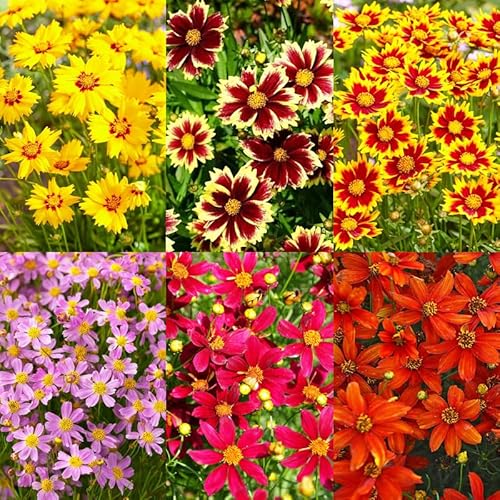
Coreopsis flower seeds are ideal for both novice and experienced gardeners, requiring minimal effort to cultivate vibrant blooms.

Beautiful - Large premium packet of Dwarf Lance-leaved Coreopsis (Coreopsis lanceolata) is a native perennial flower with bright sunny blooms. Great way to add a burst of yellow blooms to your outdoor space. Perfect for borders, wildflower gardens or container planting. Coreopsis gives your garden a beautiful pop of color in late summer, when many other flowers are fading. Minimum of 750 mg (about 350 seeds).

High-Impact Bicolor Blooms: Plains coreopsis seeds produce yellow petals with deep red centers; a reliable wildflower for outdoor gardens and meadows, blooming late summer into early fall.
Groundio 25,000+ Wildflower Seeds Mix for Hummingbirds and Butterflies

Freshest Wildflower Seeds: Our hummingbird and butterfly wildflower mix includes 24 beautiful annual, perennial and biennial plants. We offer the freshest seeds to enhance...
Groundio’s 25,000+ Wildflower Seeds Mix suits gardeners who want maximum pollinator impact with minimal complexity, offering 24 varieties of annual, perennial, and biennial flowers in a single ounce package. You receive 99% pure live seed with no filler, ensuring every gram contributes to your garden’s success.
Seeds germinate within 5–10 days, producing blooms in 35–75 days across plants averaging 12–48 inches tall. Your 194 square foot coverage area transforms quickly into a pollinator haven, drawing butterflies, bumblebees, native bees, and ladybugs while strengthening local ecosystem vitality.
Storage requires minimal effort: resealable aluminum foil packaging keeps seeds waterproof and moisture-resistant until planting. Instructions appear on the package back, with supplemental online guidance available when you need clarification.
You’ll appreciate this mix as an educational project with children or a thoughtful gift for holidays, birthdays, and seasonal celebrations. Groundio facilitates accessible hummingbird and butterfly garden construction, combining measurable results with straightforward execution regardless of your prior experience level.
Best For: Gardeners seeking maximum pollinator impact with minimal complexity, including beginners, families with children, and those looking to create hummingbird and butterfly gardens.
Pros:
- 99% pure live seed with no filler and high germination rate ensures reliable, measurable results
- Rapid transformation with 5–10 day germination and 35–75 day bloom time across 194 sq ft coverage
- Resealable waterproof packaging with clear instructions makes storage and planting straightforward for all experience levels
Cons:
- Limited to 194 square feet coverage, which may require multiple packages for larger garden areas
- Plant height variation (12–48 inches) may create inconsistent visual structure without strategic placement
- No specific mention of regional climate suitability or zone-specific growing guidance
Recommended Products

Flowers - Purple Coneflower (Echinacea purpurea) produces a cone like center that displays purple colored petals facing downward. The plants will return yearly since they are a perennial flowering plant.

Beautiful - Full color packet of Echinacea (Echinacea purpurea) flowers, which makes a wonderful herbal tea for you or a friend that is a gourmet cook/gardener. Echinacea is recognizable as the beautiful purple coneflower. Minimum of 750 mg per packet (about 300 seeds).

More attractive to pollinators: The stamens of Echinacea are large and three-dimensional, suitable for bees and butterflies to stay. The nectar has high sugar content and a long flowering period, which is popular with pollinators and adds diversity to the garden
Earth Science Butterfly & Hummingbird Wildflower Seed Blend (4oz)
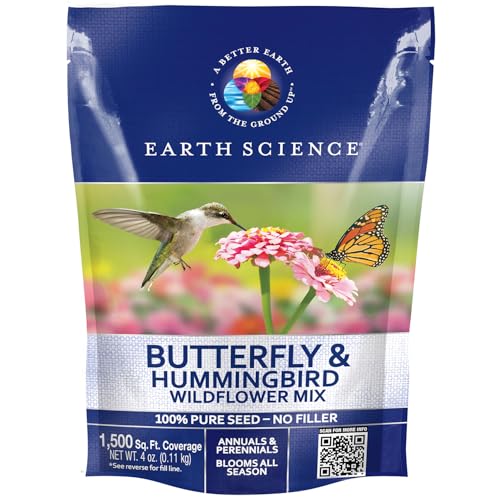
Garden Flowers: Earth Science Butterfly & Hummingbird Wildflower Seed Blend contains a diverse selection of flowers for amazing biodiversity and abundant blooms to light up...
Earth Science Butterfly & Hummingbird Wildflower Seed Blend (4oz)
You’ll get over 40,000 non-GMO seeds in one 4-ounce package, which covers roughly 1,500 square feet and makes this blend ideal if you’re starting a pollinator meadow or filling a modest backyard bed. Earth Science packs this blend with premium cultivars, including Purple Cone Flowers, Cosmos, Shasta Daisies, Sweet Williams, and Black-Eyed Susans, which bloom continuously from summer through fall when you plant in spring. You’re creating essential habitat for bees, butterflies, hummingbirds, and native pollinators across diverse USDA growing zones.
Establishment requires minimal effort: you’ll plant in spring or fall, water daily for your first two weeks, then reduce to as-needed watering once roots take hold. Deadheading spent flowers keeps your display vigorous and encourages reblooming throughout the season. The manufacturer confirms these seeds contain no harmful chemicals or pesticides, so you’ll garden confidently around children and pets.
Best For: Home gardeners and wildlife enthusiasts looking to create a low-maintenance pollinator habitat supporting bees, butterflies, and hummingbirds across diverse growing zones.
Pros:
- Generous seed count (40,000+ seeds) covers 1,500 sq ft, offering excellent value for meadow-planting or filling large beds
- Premium cultivar mix ensures continuous summer-to-fall blooms with minimal maintenance
- Non-GMO, chemical-free formula is safe for families with children and pets
Cons:
- Requires consistent daily watering during the critical two-week establishment period
- Bloom success depends on proper seasonal timing (spring or fall planting)
- Deadheading is necessary to maintain vigor and encourage reblooming, adding ongoing maintenance tasks
Recommended Products

Beautiful - Large premium packet of Butterfly Milkweed (Asclepias Tuberosa) seeds. A perennial herbaceous bush with full clusters of orange star-shaped flowers. Transform your garden into a vibrant sanctuary for monarch butterflies. These host plants support declining monarch populations by providing them with an essential habitat. Grows 24-40" tall. Minimum of 400 mg per packet (about 100 seeds).

Milkweed Butterfly - Monumental multi-tiered installation - an emerald mantle for neon-orange spheres of umbellate inflorescences. High-efficiency Premium Heirloom category seeds (USA): Non-GMO, Untreated, High germination rate. Architectural expressionism for sophisticated gardeners and perfectionists.

HIGH GERMINATION RATE: Start a thriving pollinator garden with over 100 premium, heirloom, non-GMO Butterfly Milkweed seeds. Carefully selected for exceptional germination, these seeds promise stunning orange blooms that attract monarch butterflies, bees, and other essential pollinators. Germination occurs within 7-14 days under ideal conditions.
Attracting Birds and Butterflies: Backyard Habitat Gardening Guide

This comprehensive guide stands out if you’re seeking authoritative, step-by-step instruction rather than quick plant lists. You’ll find 534 pages of illustrated instruction within this Kindle edition, published by Harvest in 2020 as part of their Home Grown Gardening series.
You can design your backyard habitat to attract both birds and butterflies through strategic landscaping, careful plant selection, and essential habitat features. The guide emphasizes practical gardening steps that support ecosystem health. You’ll learn pollinator-friendly practices that transform your outdoor space into thriving winged sanctuary.
You should reference this manual when creating and maintaining your pollinator-friendly habitat. The visual guidance suits tenth-grade comprehension while delivering expert horticultural detail. You’ll appreciate how the format balances measured enthusiasm with concrete, immediately applicable guidance for your specific growing conditions.
Best For: Home gardeners seeking authoritative, step-by-step instruction with visual guidance to create and maintain pollinator-friendly backyard habitats that attract birds and butterflies.
Pros:
- Comprehensive 534-page illustrated instruction with expert horticultural detail suited for tenth-grade comprehension
- Emphasizes practical, immediately applicable gardening steps for specific growing conditions rather than generic plant lists
- Balances measured enthusiasm with concrete guidance on ecosystem health and pollinator-friendly practices
Cons:
- Digital Kindle format may not suit readers preferring physical reference books for outdoor use
- Published in 2020, potentially missing recent developments in native plant recommendations or regional gardening research
- Extensive length may overwhelm gardeners seeking quick reference solutions or abbreviated plant lists
Recommended Products

Plant Swamp Milkweed Seeds to Help Save The Monarch Butterflies - Incarnata Milkweed. This Monarch Attracting Milkweed is sutable for growing in All Zones of the United States.An important nectar source for Monarchs and a wide variety of other butterfly species, pollinators and hummingbirds. Prefers full sun to partial shade and is not extremely temperamental about soil types. Blooms all season, transplants well, deer and rabbit resistant!

Attracts Monarch Butterflies: As the sole food source for Monarch butterfly larvae, milkweed serves as an indispensable host plant for these butterfies—an excellent choice for home gardening

🌿 Milkweed Seeds for Monarch Butterflies – Pollinator Mix: Includes butterfly milkweed, common milkweed, swamp milkweed, and more nectar-rich flowers to support monarch butterflies and create a thriving pollinator garden.
How To Attract Butterflies To Your Garden

What plants will attract butterflies Pest control without pesticides Identifying butterflies you see Making butterfly food How to hatch butterflies
Are you seeking a garden that teems with monarchs, swallowtails, and painted ladies from dawn until dusk? “10 Best Plants to Attract Butterflies in 2026” serves gardeners who’ve struggled to sustain consistent butterfly populations despite scattered successes with single-species plantings.
You will transform your outdoor space by layering nectar-rich perennials, specifically Asclepias tuberosa for monarchs, Echinacea purpurea ‘Magnus’ for painted ladies, and Buddleia davidii ‘Black Knight’ for swallowtails, ensuring continuous bloom from USDA zones 3 through 9. Your design must incorporate sun-drenched resting rocks, shallow water dishes with landing stones, and dense windbreaks of native shrubs.
You will eliminate pesticide use entirely, allowing caterpillars to defoliate host plants without intervention. You’ll also establish seasonal maintenance protocols, cutting back spent stalks in late winter to preserve overwintering chrysalises. The appz mobile application provides region-specific planting calendars and real-time identification tools, enabling you to track activity patterns and adjust your habitat enhancement strategies accordingly. You can document each life stage from egg through emergence, building a thriving sanctuary that sustains populations year after year.
Best For: Gardeners in USDA zones 3-9 who want to establish sustainable, year-round butterfly habitats using science-based plant layering and habitat design rather than single-species approaches.
Pros:
- Provides specific, actionable plant recommendations targeted to iconic butterfly species (monarchs, swallowtails, painted ladies) with continuous bloom coverage across multiple hardiness zones
- Integrates holistic habitat design including food sources, water, shelter, sun exposure, and pesticide-free pest management in one cohesive system
- Includes digital tools through the appz mobile application for region-specific planning, real-time identification, and activity tracking to enable adaptive habitat management
Cons:
- Requires complete elimination of pesticide use and acceptance of caterpillar defoliation, which may conflict with gardeners prioritizing plant aesthetics or other garden objectives
- Demands significant seasonal maintenance commitment, including specific late-winter cutting protocols to protect overwintering chrysalises
- Limited to mobile application format (appz), potentially excluding gardeners without smartphone access or those preferring print/physical planning resources
Recommended Products
Garden Flowers: Earth Science Butterfly & Hummingbird Wildflower Seed Blend contains a diverse selection of flowers for amazing biodiversity and abundant blooms to light up your garden from summer to fall!

HIGH QUALITY SEEDS & EXPERT GUIDANCE: Experience the BBB Seed (Beauty Beyond Belief Seeds) difference. We provide premium open-pollinated, non-GMO/non-GE wildflower seeds with no fillers. Every seed lot is tested for germination and weed seed quality. A trusted source of high-quality seed since 1985.

BULK 1/4 POUND POUCH: Embark on a wildflower journey with our generous 4 ounce pouch, bursting with over 30,000 pure live seeds! Transform 400 square feet into a vibrant haven for nature.
The Secret World of Plants

Where does a documentary meet your gardening ambitions? “The Secret World of Plants,” streaming on Prime Video, offers a foundation in plant biology that transforms how you’ll select butterfly-attracting species for your 2026 garden.
You’ll discover how plants communicate through chemical signals, a process that helps you understand why Asclepias tuberosa, commonly known as butterfly weed, draws monarchs so effectively across USDA zones 3–9.
The documentary reveals plant adaptations to diverse ecosystems, teaching you to match native species like Echinacea purpurea (Purple Coneflower) and Liatris spicata (Blazing Star) to your specific growing conditions.
Best For: Gardeners and nature enthusiasts seeking science-based insights to design pollinator-friendly gardens with native plant species.
Pros:
- Translates complex plant biology into practical gardening knowledge for selecting species adapted to specific growing conditions
- Explains plant communication mechanisms that help viewers understand pollinator attraction at a deeper level
- Showcases diverse global ecosystems that inspire garden design across various USDA hardiness zones
Cons:
- Limited actionable gardening techniques beyond plant selection and ecological matching
- Streaming-only format requires Prime Video subscription
- Broad global scope may not provide region-specific native plant recommendations for all viewers
Recommended Products

EXTRA LARGE PACKET contains over 1 full ounce of pure live seeds (100,000+ seeds!) - Enough to cover 1,000 square feet.

High Germination Rate: aster seeds and asters perennial seeds sprout after 8-week cold stratification, thrive heirloom seeds in USDA 2–8 gardens. These starry blossoms of aster plant kicking purple symbolize elegance or daintiness.
POLLINATOR PARADISE: Over 20000 wildflower seeds create thriving habitats for monarchs, bees and hummingbirds; Perfect blend of milkweed seeds for monarch butterflies and nectar-rich flowers; Creates vibrant meadows and beds while supporting essential biodiversity
Factors to Consider When Choosing Plants to Attract Butterflies
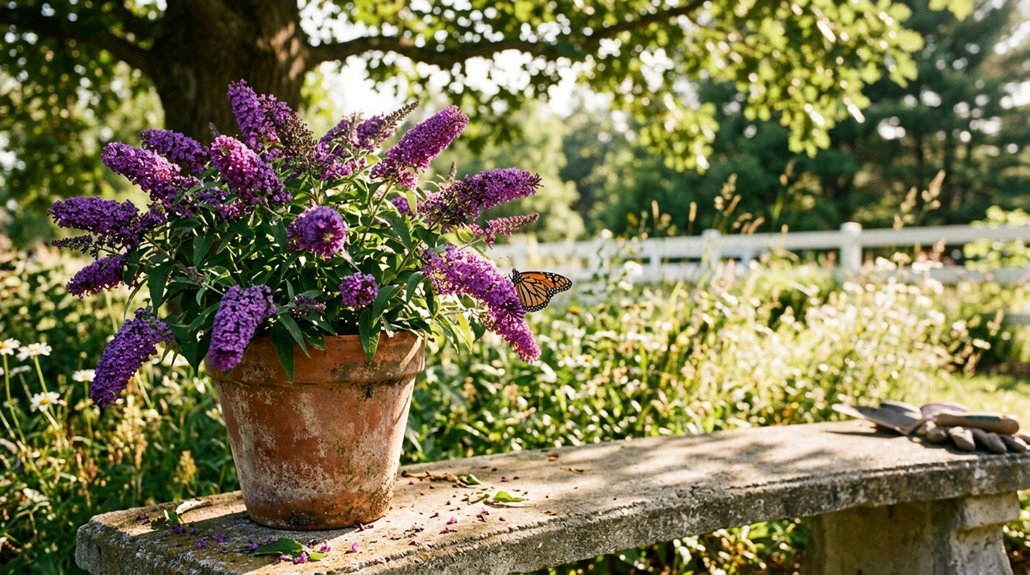
You’ll want to evaluate native plant selection, nectar source timing, host plant requirements, sunlight and exposure, and soil and drainage before you make any purchases, because these five factors determine whether your garden actually sustains butterfly populations or merely attracts occasional visitors. When you prioritize regionally native species adapted to your specific USDA zone, you’re providing the coevolved relationships butterflies depend on.
Staggering bloom times from early spring through late fall ensures nectar remains available during critical migration and reproduction periods. You must also incorporate specific host plants, such as Asclepias tuberosa for monarchs or Passiflora incarnata for Gulf fritillaries, since adult butterflies require these species to complete their life cycles. You’ll need to position them in full sun, six to eight hours daily, with well-draining soil amended to a pH between 6.0 and 7.0 for optimal establishment.
Native Plant Selection
Why limit your butterfly garden to exotic ornamentals when native plants offer proven, low-maintenance solutions that local pollinators already recognize? You will find that native species, having co-evolved with regional butterflies, provide familiar nectar sources and essential habitat structures your local species depend upon.
You should select native perennials and milkweeds, such as Asclepias tuberosa (butterfly weed, USDA zones 3-9) or Asclepias incarnata (swamp milkweed, zones 3-9), which deliver reliable, year-after-year blooms and critical caterpillar host sites. These plants enhance both adult nectar availability and larval survival rates in your garden.
Before planting, you must evaluate your site’s soil drainage, sun exposure, and your regional butterfly species range. Match these conditions to appropriate native selections, and you will maximize establishment success and pollinator support with minimal intervention.
Nectar Source Timing
Once you’ve established your native plant foundation, you must turn your attention to when these plants actually feed your winged visitors, because even the most perfectly chosen species will fail you if they all bloom at once and leave your garden barren by midsummer.
You’ll want to orchestrate a diverse bloom sequence across early, mid, and late season varieties, ensuring continuous nectar from spring through fall. Select early-season producers like wild columbine, which supports newly emerged adults in USDA zones 3-8, then layer in mid-season performers such as purple coneflower, and finish with asters and goldenrods for autumn sustenance.
Stagger flowering durations across multiple species to eliminate nectar gaps. Aim for overlapping bloom periods, with each plant contributing six to eight weeks of availability.
This measured approach maximizes pollinator presence throughout your growing season without overwhelming maintenance demands.
Host Plant Requirements
The foundation of any successful butterfly garden rests on your understanding that host plants must do double duty, which means you’re selecting species that sustain adult butterflies through nectar while simultaneously welcoming females to lay eggs and feeding their emerging caterpillars.
You will prioritize Asclepias species for monarchs, planting 3-5 milkweed varieties, such as Asclepias tuberosa, which thrives in USDA zones 3-9, and A. incarnata for wetter soils. You are ensuring resilience against pests and climate shifts through this diversity.
You’re incorporating early, mid, and late-season bloomers for uninterrupted nectar flow. You are favoring perennials over annuals, reducing your workload while establishing permanent habitat.
You are matching every selection to your specific climate, soil composition, and light conditions, verifying local native ranges through cooperative extension services before planting.
Sunlight and Exposure
You’ve selected your host plants with purpose, matching milkweed varieties to your regional conditions and planning for staggered bloom times. So now you’re turning attention to where you’ll actually position these species in your landscape, because even the most carefully chosen Asclepias tuberosa or Echinacea purpurea will underperform without adequate solar access. Most butterfly-attracting plants require full sun, defined as at least 6 hours of direct sunlight per day, to maximize nectar production and bloom vigor.
Sunlight exposure influences bloom timing and color intensity, with sunny spots yielding more vibrant flowers that attract butterflies than shaded areas. You should arrange plant height and spacing to ensure direct light reaches nectar-rich blossoms throughout the day, preventing early shading by taller neighbors.
In regions with intense sun, choose drought-tolerant varieties that thrive in full sun to maintain continuous blooms without excessive watering. For beginners, place a mix of low, mid, and tall sun-loving species in a south-facing or west-facing bed to provide consistent sun exposure and a staggered flowering schedule.
Soil and Drainage
Because you’ve mapped your sunlight patterns, you’re ready to evaluate what’s beneath your feet, and that groundwork determines whether your Asclepias tuberosa ‘Hello Yellow’ or Echinacea purpurea ‘Magnus’ will thrive or merely survive.
You’ll want well-drained soil, since waterlogging suffocates roots and cuts flowering, which starves butterflies of nectar. Sandy or amended soils with organic matter improve drainage and root penetration, giving you healthier plants across USDA zones 3 to 9 with longer bloom periods.
Skip heavy clay unless you amend it, because poor drainage triggers root rot and stressed plants that pollinators ignore. Mulch around your plantings to regulate moisture and temperature, reducing erosion while maintaining consistent drainage. Where soil compacts, till lightly or work in compost to boost aeration, promoting robust health and steady nectar production through the season.